|
Feel Good About Teaching Science
© Teresa, 2007
Whenever I'm asked to write, I put myself in the reader's head. And this time, that's you! It happens to be the time of year where our hearts and minds are on getting back to teaching and settling in for the new year. So let me guess.. as you search for the curriculum you want to buy you are excited about new lessons, seeing your kids eyes light up as they grasp a new concept or master something they've been struggling with. You've got new organizers or new information or a new plan and you feel excited about using it. And when you pictured these scenes, they are about English or Social Studies or Reading , but they are NOT about Science. And if they are about science, it's about an experiment you bought or a new kit or demonstrations. And let me guess, you bought all the other subjects and waited to buy science last. Or maybe you bought nothing at all because you just don't feel good about any of it. Are you questioning your curriculum, always searching for something else that will make science better? Do you feel inadequate to be teaching it and hope the curriculum you choose will do it all for you?
I hear you; I know it can be daunting. I taught high school science for eight years, have loved it my whole life and it comes easy to me. But because of the last four years of homeschooling, and dedicating myself to helping other homeschoolers, I've learned of your struggles. The most common question I'm asked is, "Which curriculum or text is the best?"
The cool thing about science is that it isn't creative or changing or subjective. Facts are facts. The basics don't change so all the curriculum will teach the same thing. The differences between them are in how the material is presented and that is very personal. You must choose what fits you and your kids best. And only you know what that should be. when I tell people this, I usually get disappointed looks. Might I suggest that if you constantly feel uncomfortable about your teaching science, perhaps your search should not be for the perfect tools or books but for peace about the subject instead? For I feel the search out there isn't likely to help you find peace. Until you make peace with science you might very well remain uncomfortable about it. So what can you do?
Luckily there are several things you can do to help you create joy about teaching science.
1. Begin by confronting your level of discomfort. Is it simply a lack of knowledge, intimidation, and fear or is it downright panic? If lack of knowledge is the problem then you have many options. High school text books in science are easy to read and understand. Pick one up and try it. Are you thinking that there's no way you can read at that level and understand it? Then you may be dealing with a fear of science. It's oaky, it's not your fault and you're certainly not alone in that fear. On my site you can find information to help you.
2. Teach the basics first . Contrary to what society has brainwashed us to believe, Chemistry is not an upper level subject any more than reading or math are. Chemistry is the mother science. A periodic table of elements should be on the wall and children of all ages, including toddlers should see it every day just like maps or a globe or the alphabet and books and numbers. It's what their world is made of. These elements are what make all of science happen. If they see it early in life, then just like everything else, it won't ever been intimidating or something to fear.
3. Teach the skills! It won't matter how much content your kids learn in science. What will matter in college and for tests and entrance exams and for making higher grades, will be how adept they are in the science skills. No age is too young to start; no age is too late to catch up. As a teacher I spent many classroom hours getting my high school kids caught up on the science skills. DOING science is much harder to learn and much more important than reading the content of science. I guarantee that if you help your kids learn how to do science, you will feel much better about their science learning.
4. Fail . It's the mark of a true scientist. Get over the idea that your experiments must get the results you want. Sometimes they do, sometimes they don't. In my 8 th year of college in my hundredth-something lab, I dropped my final product, 1.5 grams of a powder that took 3 hours to make. Did I fail the lab? No. Because I made accurate notes as I went, and measured all data and recorded it, I completed lab. Labs and experiments are not about results, they are about completion and looking at your results, no matter what they are. In your conclusion to the lab you then write your opinion on why you believe you got the results you did. Edison failed many times, as did Bell and Marconi and many other famed scientists. Failures teach you where to go next, how to try it again and push you to grow. Don't know how to write up a lab? Look on my web site under "free stuff" for instruction on how to write a lab report.
5. Relax. There's no educational emergency. You are not in a race. If you have a science lover you are teaching, they need the science skills. The rest of it, they will soak up. If your entire family dislikes science, teach the skills, let the curriculum do the rest. Litter your home with baskets of cool things from outside and a magnifying glass, with kids science magazines, with posters of sciency stuff. Then spend time on fun science activities like bird watching, shell and rock collecting, hikes and drawing nature scenes.
Once you ease your fears, get focused on the skills, gain some knowledge and relax you'll find that science becomes something that you and your kids look forward to each year. Your kids already like science, its natural to be curious.. help them have a wonderful time with science!
For free science lessons delivered to you bi-monthly, sign up for the free newsletter on Teresa's web site at: www.HowToTeachScience.com

Was this article helpful? Was it worth $1.00 to you?
Your gift of $1 or more helps to keep this site operating
offering encouragement
and reassurance to families
wanting
better outcomes for their children.
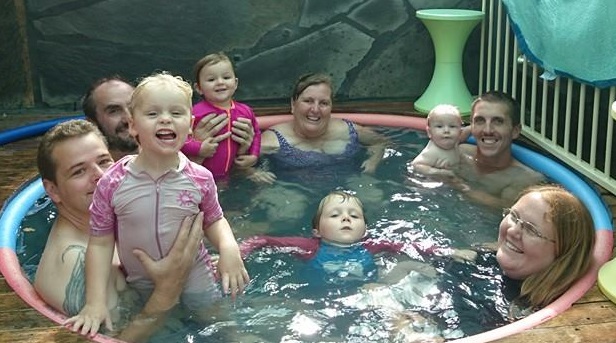
Beverley Paine with her children, and their home educated children, relaxing at home.
Together with the support of my family, my aim is to help parents educate their children in stress-free, nurturing environments. In addition to building and maintaing this website, I continue to create and manage local and national home educating networks, help to organise conferences and camps, as well as write for, edit and produce newsletters, resource directories and magazines. I am an active supporter of national, state, regional and local home education groups.
"You've been an inspiration to me, I love the way
you really listen to people." Vanessa
"Whenever I read your writing I always come away
with increased confidence in my ability to provide and
share a wonderful learning journey with my family!" Davina
"Your guidance, understanding, support and words of
wisdom changed our lives. We now offer support and
organise many homeschooling events for others." Lesley
"Thank you once again for your prompt and friendly service.
I am convinced that your books are going to add
quality and peace of mind to my journey of teaching my kids
at home! Just from studying your website, until almost
2am
in the morning, I 've been encouraged!" Louisa
"Thank you for all your many,many reassuring words
over many, many years. You probably don't know exactly how
valuable you are to the Australian Home Education community.
I've been reading your stuff for maybe 8 years or more now.
And I'm very grateful." Gythaa


Want to learn how to write your own education plans
to suit your unique children's individual learning needs?
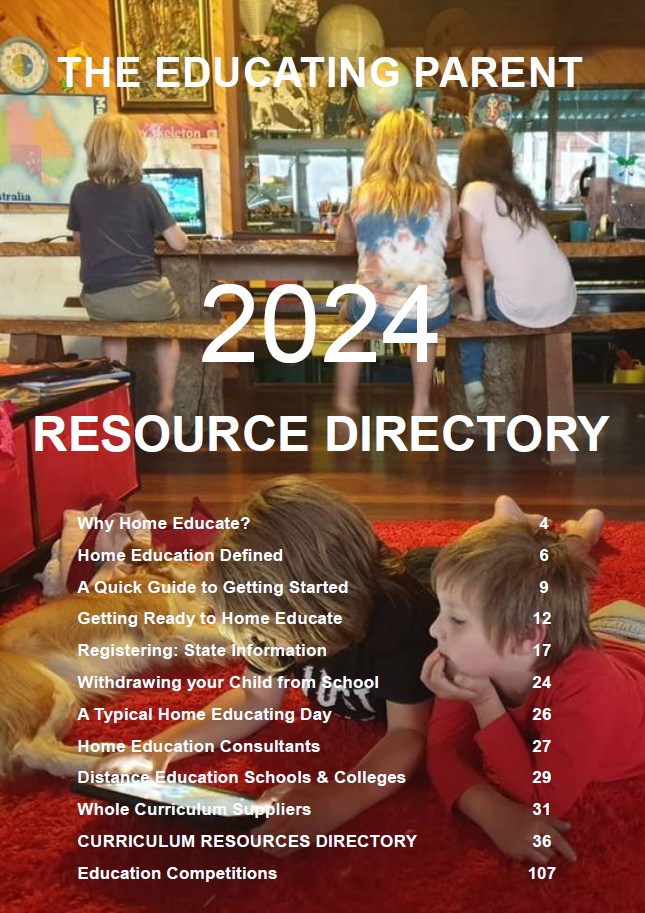
Or you are looking for quality curriculum and teaching tips...
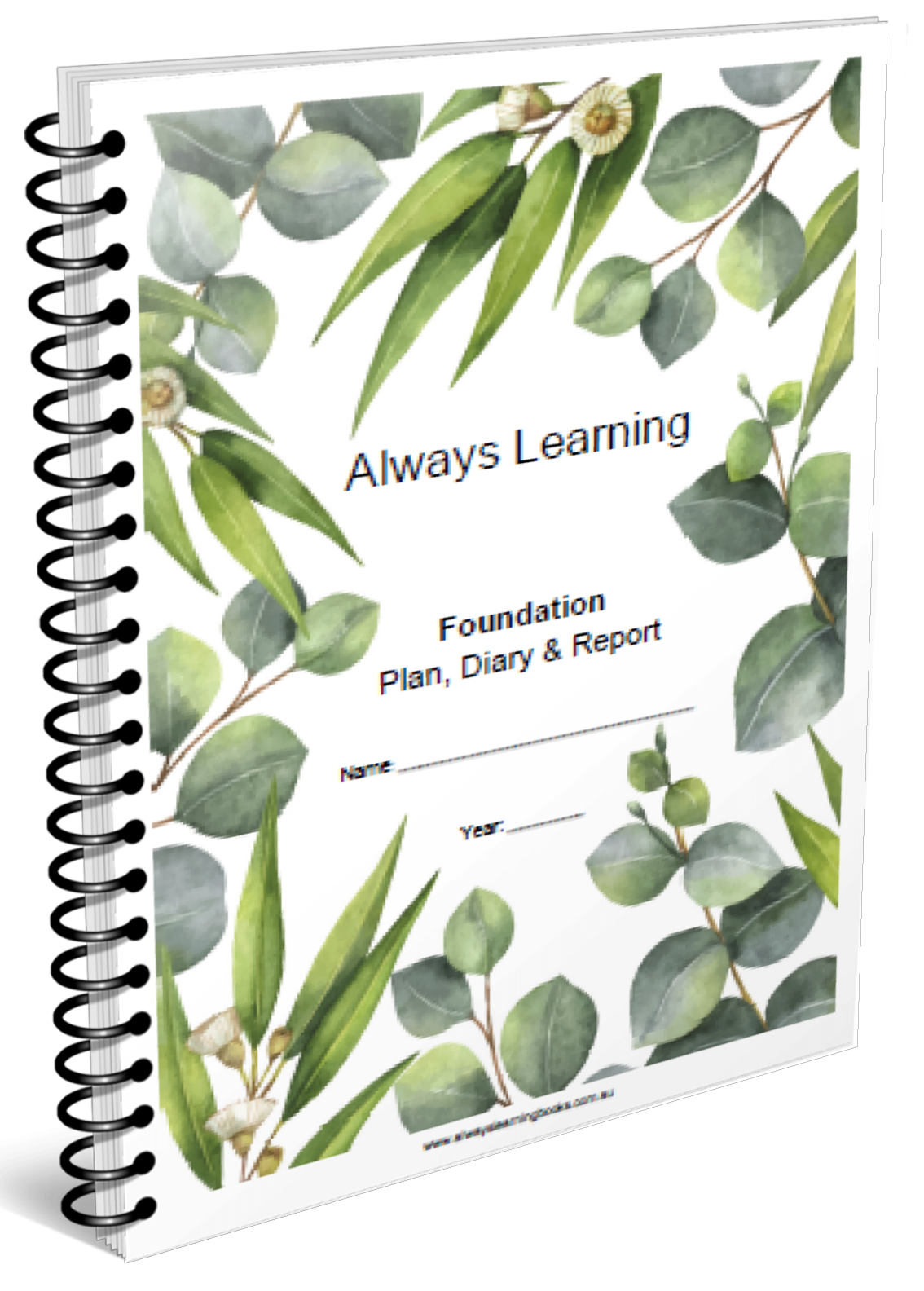
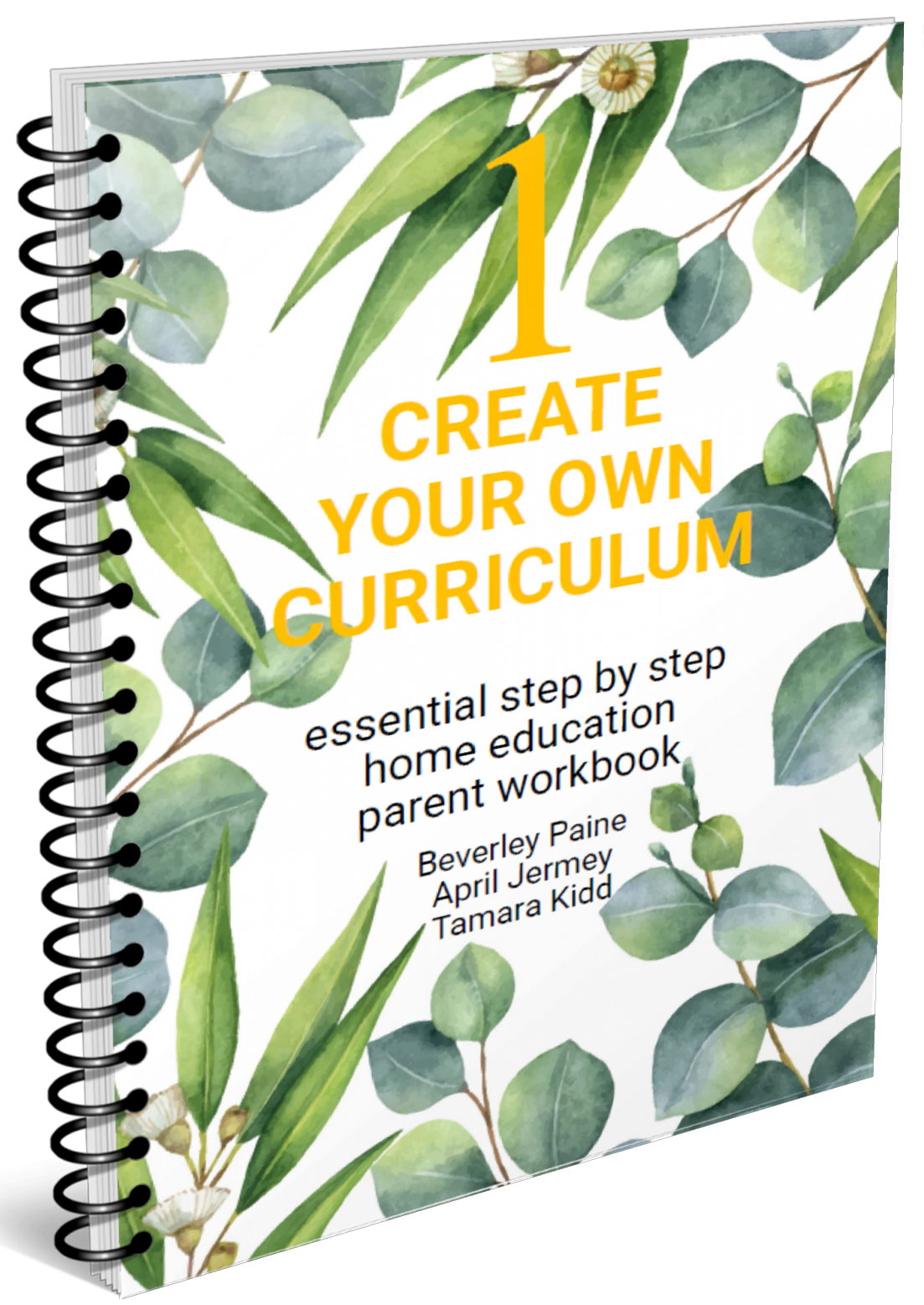
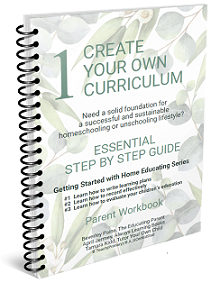
Comprehensive 3 workbook 'how to home ed' course
covering the essential skills you need
successfully home educate your children
|
|
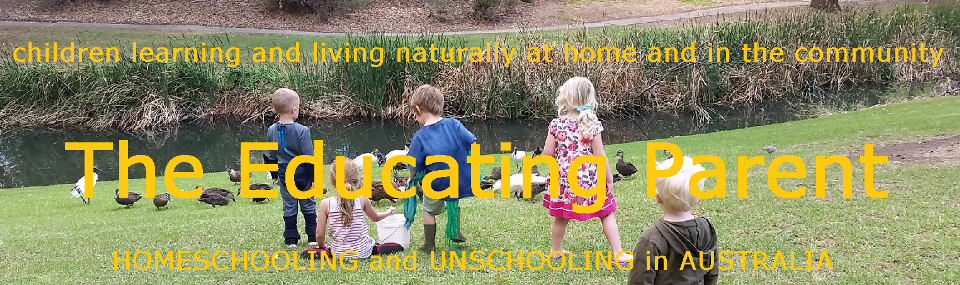
Welcome to the World of Home Education
and Learning without School!
We began educating our children in 1985, when our eldest was five. In truth, we had helped them learn what they need to learn since they were born. I am a passionate advocate of allowing children to learn unhindered by unnecessary stress and competition, meeting developmental needs in ways that suit their individual learning styles and preferences. Ours was a homeschooling, unschooling and natural learning family! There are hundreds of articles on this site to help you build confidence as a home educating family. We hope that your home educating adventure is as satisfying as ours was! Beverley Paine
3 ESSENTIAL STEP BY STEP GUIDES
Let experienced home educators Beverley, Tamara and April walk you through HOW to create a learning plan that builds on solid foundations that works for YOUR family AND ticks all the boxes for home educaton registration!
|
Tap into Beverley's
experience
through her books
"Your books, your blogs helped me beyond words... they helped me to find comfort in knowing it is ok to choose exactly what is best for my family." Nisha
"Your books and information are mind blowing and already I am feeling good about this new experience." Diane
"Your guidance, understanding, support & words of wisdom changed our lives." Leslie
"I feel specially inspired by Beverley's words and, the more I read her comments, the more inspired I feel, since my need for support, respect for different parenting styles, and information are fully met." Marijo
|
 |
|

The information on this website is of a general nature only and is not intended as personal or professional advice. This site merges and incorporates 'Homeschool Australia' and 'Unschool Australia'.
The Educating Parent acknowledges the Traditional Aboriginal and Torres Strait Islander Owners, the Custodians of Australia, and pay our respects to Elders past and present and extend that respect to Aboriginal and Torres Strait Islander people viewing this website.
Advertise on this site.



Home education is a legal alternative
to school education in Australia.
State and Territory governments are responsible
for regulating home education and have different
requirements, however home educating families
are able to develop curriculum and learning programs
to suit the individual needs of their children.

Without revenue from advertising
by educational suppliers and Google Ads
we could not continue to provide information
to home educators. Please support us by letting
our advertisers know that you found them on
The Educating Parent. Thanks!
|
 About
About
 Thank you for visiting!