|
Dispelling A Myth - Practice Makes Perfect
© Beverley Paine
Home educating has given me the opportunity to question many things, as I watch learning unfold naturally in my children's lives. I would find myself often quoting 'practice makes perfect' in many a situation, and believed it to be always true.
April was the first one to show me otherwise, and it was quite a revelation when it happened. She was having difficulty understanding decimals. At the age of nine, one look at the sums on the page brought a frown to her face and she declared that decimals confused her. I tried to convince her that working out the sums on paper and doing the set activities in her maths book would help her make sense of decimals, and with, of course, regular practice her confusion would turn to mastery. Her frustration turned to tears, a growing feeling she was no good at maths (which she was!), and so, I reluctantly put away decimals until she was ready. That was two years later!
In the intervening period April did maths competently in all other areas, using both practical applications and her text books. I removed work from her books that included working with decimals, although in real-life situations April handled decimals without a fuss - she didn't recognise them as the same problems as the sums on paper! At age eleven, I gave April a maths test on decimals, including working to four decimal places in each of the four mathematical functions. She obtained 95% on the test, having never practiced or learned decimals from maths books.
I had to conclude that April's life was full of experiences that allowed her to build up a complete concept of decimals. Her daily activities, in all areas of her life, supplied her with the practice that made her knowledge of decimals so perfect!
My next convincing encounter of this was with Roger's spelling ability. He was, and still is, an inventive speller, drawing on all the strategies he knows to spell a word. After the age of seven he rarely did regular bookwork, and until about ten the most I could get him to do in daily writing was a line or two in his journal, or a much abbreviated shopping list! Occasionally I give him a spelling test taken from misspelt words drawn from his writing and a list of words I felt he ought to know.
I began to notice that as time passed even though Roger was not regularly reading (anything other than a Lego catalogue), and rarely wrote anything, his spelling improved. He was adopting conventional spelling forms and learning new strategies gradually over time, without any apparent practice.
Unlike April, who had opportunity to use decimals everyday with money and measurement, Roger was showing no sign of engaging himself in written language in any way. The process still remains a mystery to me, but I believe that our life is so full of the written word it was unavoidable for Roger to be exposed to it. He simply absorbed it.
Not only did his spelling tend to improve over time without practicing writing, but also his grammar. I eventually found that all I had to do was help Roger with a writing form once or twice, like a letter or a story, and he felt competent to work alone. This all happened between the ages of eleven and fourteen, and gets easier as he gets older.
I am finding the same effect with Thomas's reading progress. We could work at it daily, doing specially devised activities, reading practice and word lists, but we have found that this often leads to a lowering of self esteem, frustration and an unwelcome elevation of the status of the problem. If we don't do any specific practice or learning activities he seems to progress just as fast!
There are now many areas of our lives where we have seen that practice is unnecessary to obtain positive results. There seems to be some kind of background, unnoticed learning taking place all of the time, ensuring readiness for finally performing a task, or knowing something fully.
Last December a piano entered our house. I am being very careful not to say 'practice makes perfect', but to let the children experiment in their own way with the music and the instrument. Each person approaches the piano differently, and each gets a different sound out of it. I was amazed at the speed with which April moved through the piano course books 1& 2, rarely practicing each piece more than two or three times. Every afternoon she comes in, plays her favourites tunes and attempts several new pieces of music. Time away from the piano seems just as important as playing it.
Another interesting facet of this phenomenon I have noticed over the years is the practice of tidying personal space. As much as I tried to coax the children when they were very young into tidying their bedrooms, it was suddenly at age eleven they began to work their way into it. A natural tendency to want to find their favourite toys, gadgets and pieces of paper at this age emerged, and for the older two, by the age of fourteen their spaces were wonderfully kept - the less I pushed working at it, the more naturally it happened. As with my other lessons in 'practicing' I have found patience and 'holding my tongue' to be invaluable. By providing my children with a model of an efficient organisational routine, and by 'helping' them occasionally with tidy ups (no more than twice a year!), I have children who miraculously organise their many hundreds of possessions, with very little angst from me!
Over the years I have had to recognise and learn to trust in this invisible learning force! How much do we trespass on our natural abilities when we force ourselves to 'practice', and does it hinder our ability to achieve that elusive quality 'perfection', by stifling the natural urge to express ourselves in our own unique and creative ways? I shall be very wary of quoting 'practice makes perfect' in the future!

Was this article helpful? Was it worth $1.00 to you?
Your gift of $1 or more helps to keep this site operating
offering encouragement
and reassurance to families
wanting
better outcomes for their children.
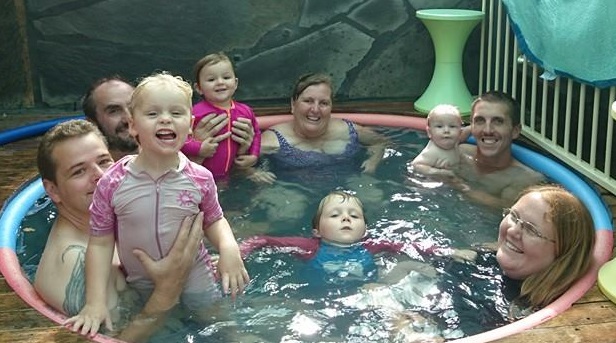
Beverley Paine with her children, and their home educated children, relaxing at home.
Together with the support of my family, my aim is to help parents educate their children in stress-free, nurturing environments. In addition to building and maintaing this website, I continue to create and manage local and national home educating networks, help to organise conferences and camps, as well as write for, edit and produce newsletters, resource directories and magazines. I am an active supporter of national, state, regional and local home education groups.
"You've been an inspiration to me, I love the way
you really listen to people." Vanessa
"Whenever I read your writing I always come away
with increased confidence in my ability to provide and
share a wonderful learning journey with my family!" Davina
"Your guidance, understanding, support and words of
wisdom changed our lives. We now offer support and
organise many homeschooling events for others." Lesley
"Thank you once again for your prompt and friendly service.
I am convinced that your books are going to add
quality and peace of mind to my journey of teaching my kids
at home! Just from studying your website, until almost
2am
in the morning, I 've been encouraged!" Louisa
"Thank you for all your many,many reassuring words
over many, many years. You probably don't know exactly how
valuable you are to the Australian Home Education community.
I've been reading your stuff for maybe 8 years or more now.
And I'm very grateful." Gythaa


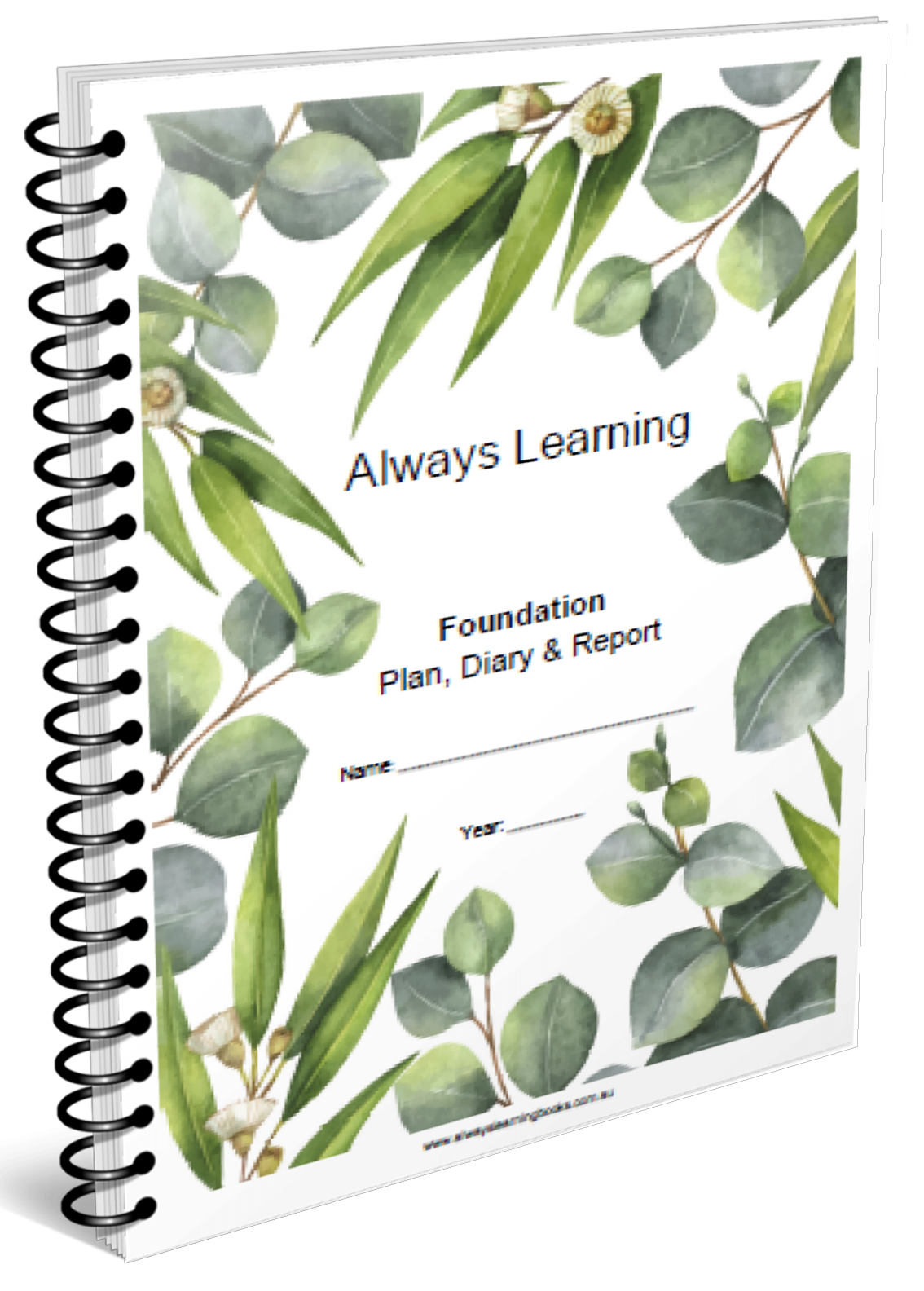
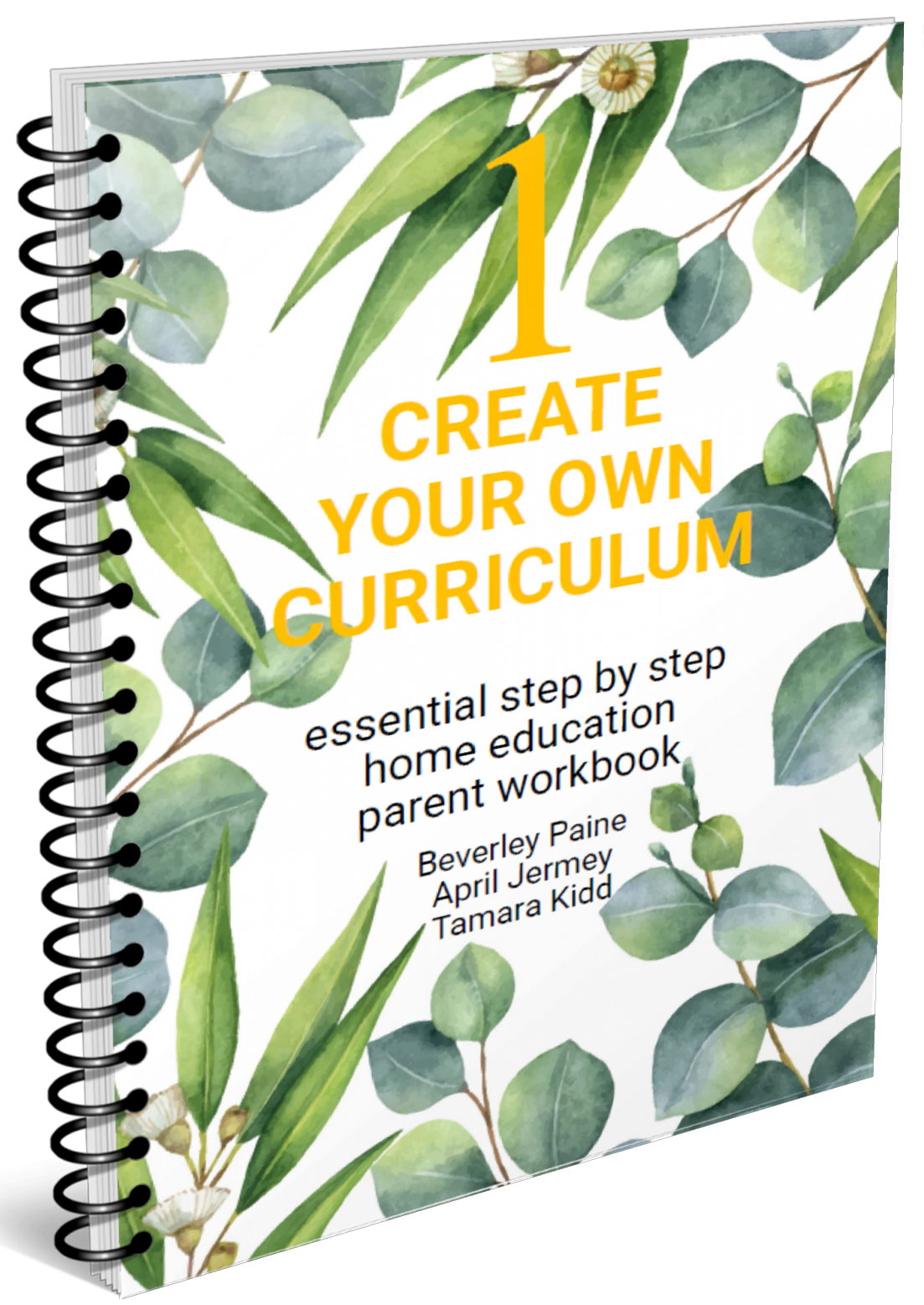
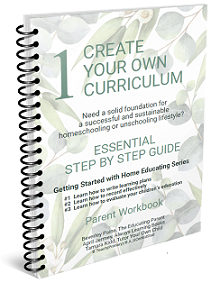
Want to learn how to write your own education plans
to suit your unique children's individual learning needs?
Or you are looking for quality curriculum and teaching tips...
Comprehensive 3 workbook 'how to home ed' course
covering the essential skills you need
successfully home educate your children
|
|
Welcome to the World of Home Education
and Learning without School!
We began educating our children in 1985, when our eldest was five. In truth, we had helped them learn what they need to learn since they were born. I am a passionate advocate of allowing children to learn unhindered by unnecessary stress and competition, meeting developmental needs in ways that suit their individual learning styles and preferences. Ours was a homeschooling, unschooling and natural learning family! There are hundreds of articles on this site to help you build confidence as a home educating family. We hope that your home educating adventure is as satisfying as ours was! Beverley Paine
3 ESSENTIAL STEP BY STEP GUIDES
Let experienced home educators Beverley, Tamara and April walk you through HOW to create a learning plan that builds on solid foundations that works for YOUR family AND ticks all the boxes for home educaton registration!
|
Tap into Beverley's
experience
through her books
"Your books, your blogs helped me beyond words... they helped me to find comfort in knowing it is ok to choose exactly what is best for my family." Nisha
"Your books and information are mind blowing and already I am feeling good about this new experience." Diane
"Your guidance, understanding, support & words of wisdom changed our lives." Leslie
"I feel specially inspired by Beverley's words and, the more I read her comments, the more inspired I feel, since my need for support, respect for different parenting styles, and information are fully met." Marijo
|
 |
|

The information on this website is of a general nature only and is not intended as personal or professional advice. This site merges and incorporates 'Homeschool Australia' and 'Unschool Australia'.
The Educating Parent acknowledges the Traditional Aboriginal and Torres Strait Islander Owners, the Custodians of Australia, and pay our respects to Elders past and present and extend that respect to Aboriginal and Torres Strait Islander people viewing this website.
Advertise on this site.





Home education is a legal alternative
to school education in Australia.
State and Territory governments are responsible
for regulating home education and have different
requirements, however home educating families
are able to develop curriculum and learning programs
to suit the individual needs of their children.

Without revenue from advertising
by educational suppliers and Google Ads
we could not continue to provide information
to home educators. Please support us by letting
our advertisers know that you found them on
The Educating Parent. Thanks!
|
 About
About
 Thank you for visiting!