|
Unschooling and Children's Interests and Passions
by Beverley Paine, April 2015
Heading down the unschooling path we carry a lot of baggage. One piece of unhelpful luggage that we often take too long to let go of is our need for our children to have 'interests' or do 'activities' that we can identify as 'educational'.
Unschooling is an attitude, a way of thinking about life and learning, rather than something we or our children do. And sometimes we hold onto the assumption that because our children aren't doing anything that we recognise or identify as educational they aren't learning.
Learning happens on many levels. And this learning on many levels happens at the same time. We're complex. Learning is complex.
We may be sitting on the floor pushing a small car making engine noises while reflecting about a social interaction we had with a friend yesterday, feeling the hunger pangs growing in our bodies, becoming aware of the smell of toast and listening to our siblings laughing in the other room. What are we learning? Is it obvious to us, to an observer? Only if we share that after reflecting on it, next time we're at the playground and our friend asks for the small treasure we've just found we won't, we'll say no, because we actually wanted to keep it. A lot of what we learn in life is private. And that's okay.
As unschooling parents we worry that our children don't have 'interests' or 'passions'. After all, unschooling is allowing the children to pursue their interests, follow and develop their passions, talents and gifts, isn't it? But what if they don't have any? That's a question I'm often asked.
I encourage these parents to observe their children and value what their children are doing and sharing.
I found that when I was most worried about this aspect of unschooling it was because I wasn't valuing my children were actually doing. I wasn't seeing that it had intrinsic educational value and was, instead without giving it any consideration at all, dismissing it.
I had a list of 'interests' in my head that I thought were appropriate and suitable and wasn't tuning into what was actually interesting my children. When I started to see the minutae of life as interesting - as my children did - and the boring and mundane and silly repetitive things as interesting - I began to finally see the learning packed into all those moments. Well, some of it. Most of it is hidden, private. And that's okay.
What I wouldn't give to have the freedom (from my silly made up constraints) to watch Playschool all day! Watching my 3 year old granddaughter pay so much attention, following all the details, moving her little body, singing along and mouthing the words... I sit there entranced too, and want to sculpt and paste and paint and play. Why can't I? Because for some reason the dishes need to be done (hey, let's use paper plates next week eh?) And the dust on the floor? I'm sure a quick sweep could fill a dustpan, but I bet if I left it another few days it wouldn't fill dustpans...
This week I have watched How to Train Your Dragon 4 times. Each time the little people sat still, entranced (except my granddaughter had to jump up and dance to the love song in the middle). What are they learning? Something really important because they were paying attention. If you see your children paying attention observe and reflect because yup, they're probably learning something really important.
Unschoolers often find it difficult to translate unschooling life into edu-speak to fill out the paperwork and satisfy the requirements for yearly registration as home educators. I find that everyday life has enough 'educational' moments embedded within it that can be cross referenced to the state/national curriculum. I did this for a while and my confidence in my children's natural learning ability, and my confidence as an educating parent, soared.
Sometimes it takes a while staring at a particular outcome to work out where and how my children already demonstrated it. And getting my head around the jargon definitely got easier the more I persevered.
Rather than looking at what our children are doing and then trying to fit that within the parameters set by the registration requirements, look at the curriculum stage statements and outcomes and find examples where that is already happening in your children's lives. And yes, consider the mundane stuff, the everyday bits of life we take for granted, learning doesn't discriminate.
Sure, for most of us, the hardest part as unschoolers is coming up with 'evidence' that will satisfy the registration authorities. We collect bits and pieces of paper that the children have scribbled on, because children busy with living, unless they are natural writers, don't tend to write much at all. It's annoying that educationalists have such a narrow view of what constitutes 'evidence' of learning. I find photos help a lot. They jog the memory and make it easy to write reflections on what the child may have been learning at the time. The more I became familiar with the curriculum objectives the easier I found it to think in edu-speak, and to find the words and examples that would demonstrate that I understood what and how my children were learning. I'd also record comments the kids had made, their insights, my own reflections, in our diary. These helped to flesh out the annual report as well as prepare the following year's learning plan.
With my grandchildren I'm helping to produce a monthly family newsletter which will form a comprehensive report. It doubles as a photo album, covering a lot more than the usual holiday and birthday snaps. They are a beautiful collection of images and comments showing the children progressing educationally and developmentally.
I'm 56 and feel that only in the last year or so am I truly starting to let go of that fear that I didn't do enough to help my children learn what they need to learn as they begin their home educating adventures with their children. I am still deschooling! The fear comes back strongly now and then, reminding me of the power of early conditioning.
I am blessed to have had the opportunity to allow my children to be my mentors (stubborn little things that they were) and blessed to have the wisdom (from who knows where) to pay attention to the lessons they were doing their best to impart to me! And they are still guiding and helping me learn these lessons and now I have four [edit: now five!] awesome grandchildren to continue to challenge me to continue to grow and let go of that fear and bathe in the trust of unconditional love and acceptance.
Doesn't matter where we're at, we're all imperfect and that's brilliant and awesome: if we were perfect we'd have nothing to learn and life would be ever so dull!

Was this article helpful? Was it worth $1.00 to you?
Your gift of $1 or more helps to keep this site operating
offering encouragement
and reassurance to families
wanting
better outcomes for their children.
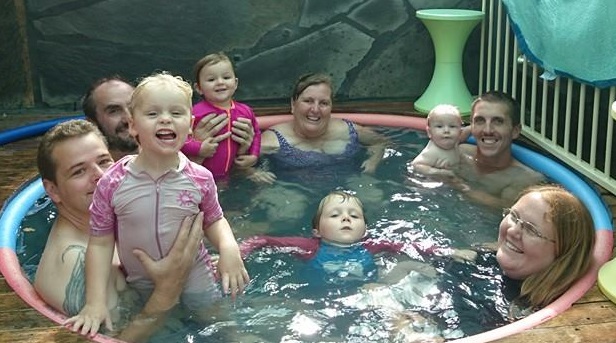
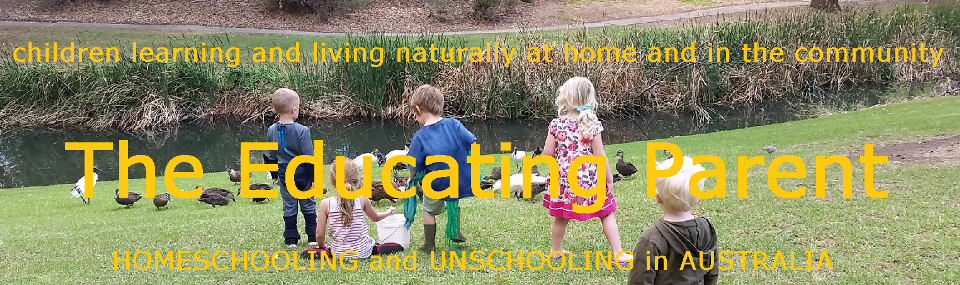
Beverley Paine with her children, and their home educated children, relaxing at home.
Together with the support of my family, my aim is to help parents educate their children in stress-free, nurturing environments. In addition to building and maintaing this website, I continue to create and manage local and national home educating networks, help to organise conferences and camps, as well as write for, edit and produce newsletters, resource directories and magazines. I am an active supporter of national, state, regional and local home education groups.
"You've been an inspiration to me, I love the way
you really listen to people." Vanessa
"Whenever I read your writing I always come away
with increased confidence in my ability to provide and
share a wonderful learning journey with my family!" Davina
"Your guidance, understanding, support and words of
wisdom changed our lives. We now offer support and
organise many homeschooling events for others." Lesley
"Thank you once again for your prompt and friendly service.
I am convinced that your books are going to add
quality and peace of mind to my journey of teaching my kids
at home! Just from studying your website, until almost
2am
in the morning, I 've been encouraged!" Louisa
"Thank you for all your many,many reassuring words
over many, many years. You probably don't know exactly how
valuable you are to the Australian Home Education community.
I've been reading your stuff for maybe 8 years or more now.
And I'm very grateful." Gythaa


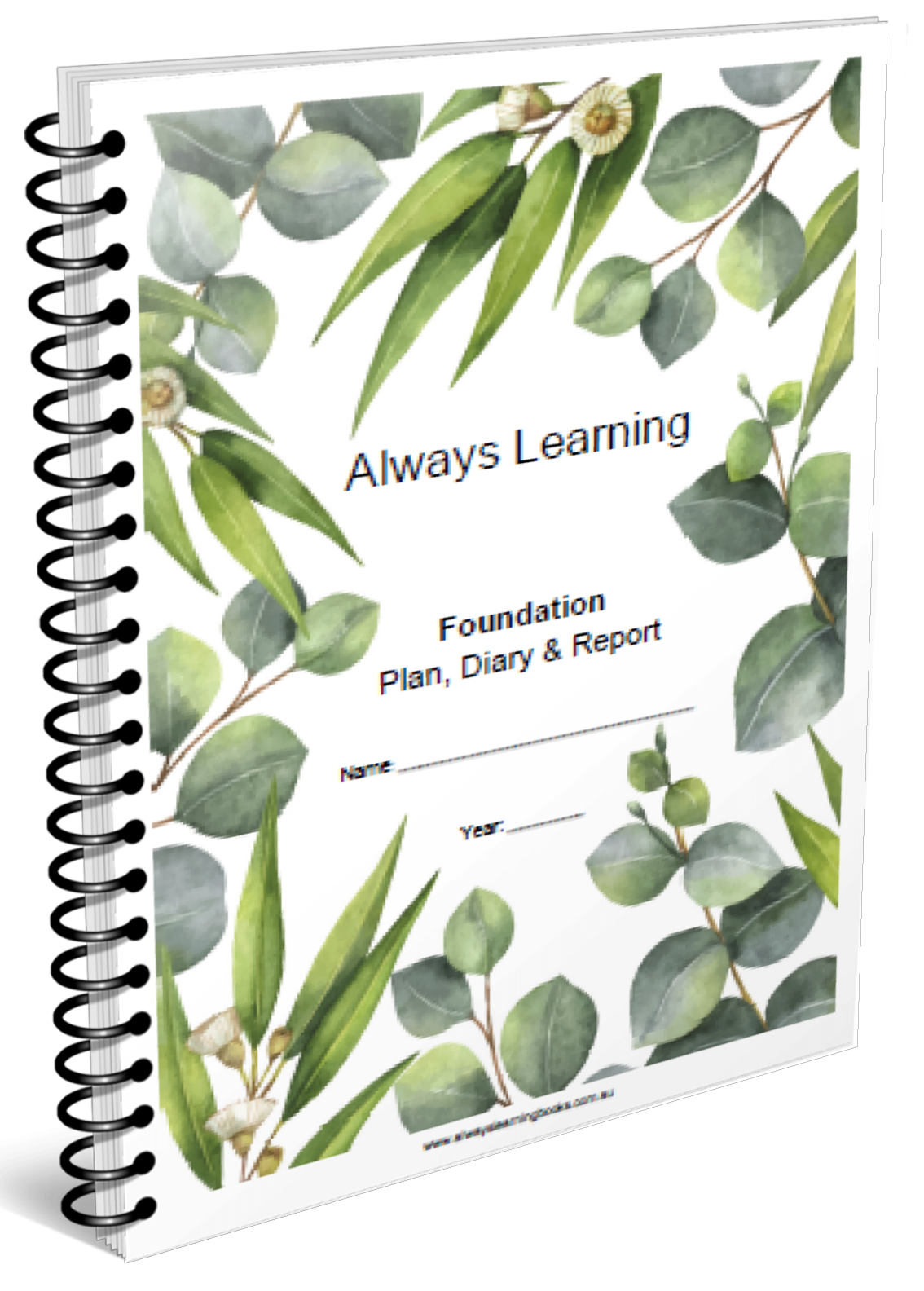
Want to learn how to write your own education plans
to suit your unique children's individual learning needs?
Or you are looking for quality curriculum and teaching tips...
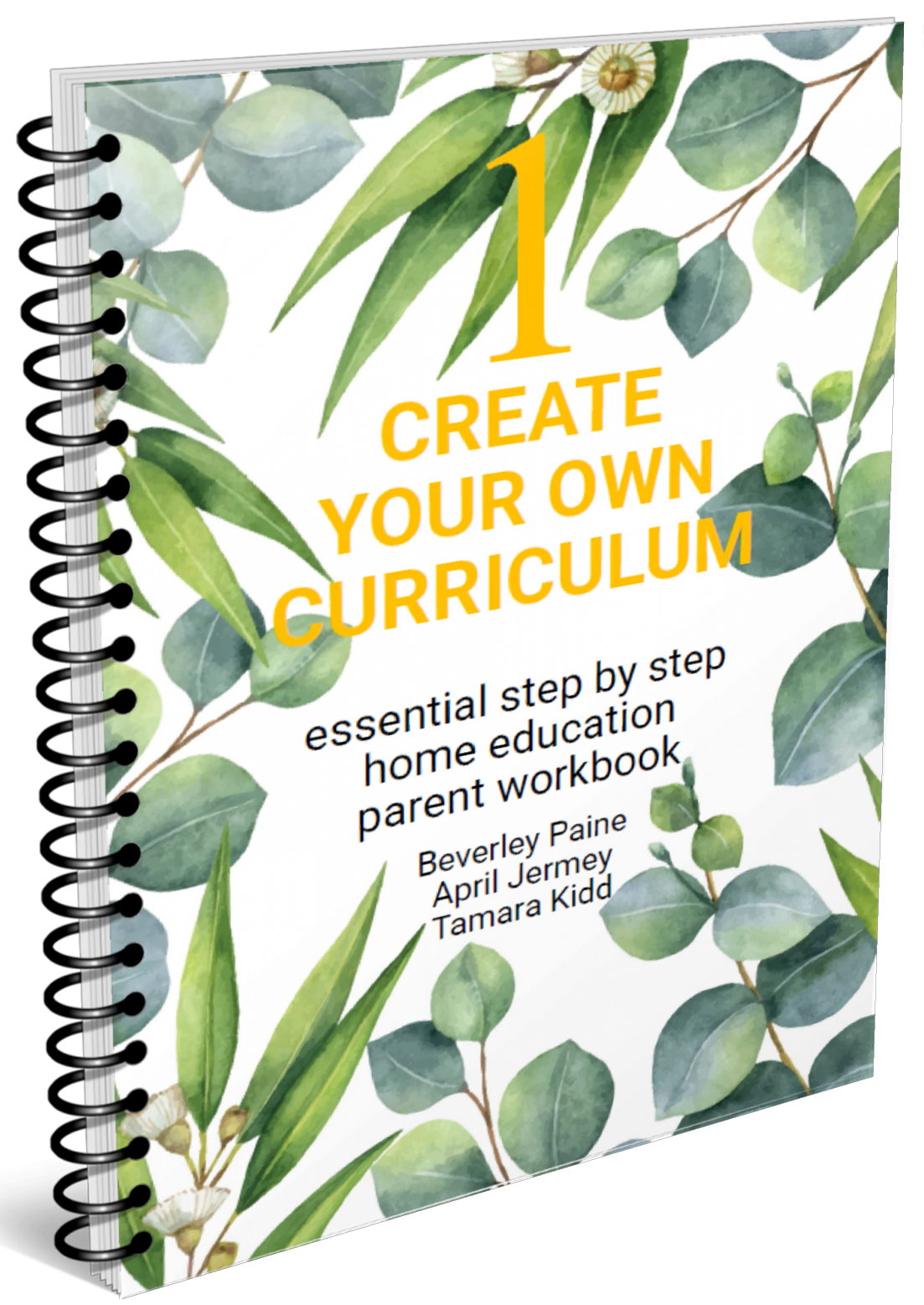
Comprehensive 3 workbook 'how to home ed' course
covering the essential skills you need
successfully home educate your children
|
|
Welcome to the World of Home Education
and Learning without School!
We began educating our children in 1985, when our eldest was five. In truth, we had helped them learn what they need to learn since they were born. I am a passionate advocate of allowing children to learn unhindered by unnecessary stress and competition, meeting developmental needs in ways that suit their individual learning styles and preferences. Ours was a homeschooling, unschooling and natural learning family! There are hundreds of articles on this site to help you build confidence as a home educating family. We hope that your home educating adventure is as satisfying as ours was! Beverley Paine
3 ESSENTIAL STEP BY STEP GUIDES
Let experienced home educators Beverley, Tamara and April walk you through HOW to create a learning plan that builds on solid foundations that works for YOUR family AND ticks all the boxes for home educaton registration!
|
Tap into Beverley's
experience
through her books
"Your books, your blogs helped me beyond words... they helped me to find comfort in knowing it is ok to choose exactly what is best for my family." Nisha
"Your books and information are mind blowing and already I am feeling good about this new experience." Diane
"Your guidance, understanding, support & words of wisdom changed our lives." Leslie
"I feel specially inspired by Beverley's words and, the more I read her comments, the more inspired I feel, since my need for support, respect for different parenting styles, and information are fully met." Marijo
|
 |
|

The information on this website is of a general nature only and is not intended as personal or professional advice. This site merges and incorporates 'Homeschool Australia' and 'Unschool Australia'.
The Educating Parent acknowledges the Traditional Aboriginal and Torres Strait Islander Owners, the Custodians of Australia, and pay our respects to Elders past and present and extend that respect to Aboriginal and Torres Strait Islander people viewing this website.
Advertise on this site.


Home education is a legal alternative
to school education in Australia.
State and Territory governments are responsible
for regulating home education and have different
requirements, however home educating families
are able to develop curriculum and learning programs
to suit the individual needs of their children.

Without revenue from advertising
by educational suppliers and Google Ads
we could not continue to provide information
to home educators. Please support us by letting
our advertisers know that you found them on
The Educating Parent. Thanks!
|
 About
About
 Thank you for visiting!