|
Negotiable, Open Ended Schedules and Learning Programs
by Beverley Paine, July 2013
When I wrote learning plans/programs for my children they were usually open-ended and flexible. Everything was negotiable. This was a lesson I learned fairly quickly in the early years of homeschooling. In our curriculum/learning programs I based my educational expectations and goals on what I knew about child development, a subject I kept seeking information about because I began parenting knowing very little and what I did know was next to useless and not at all child-friendly!
We didn't have rigid schedules or time-lines at home, except perhaps 'by the age of eighteen' (an arbitrary age which we figured represented the onset of adulthood - and when it came around realised just how silly that idea was!)
I was guided by my own expectations, and each child challenged the assumptions my expecations were based on. For instance, I wanted my children to know the times tables as they are such a useful mathematical tool and had expected that we'd have them conquered at around age 8 or 9. We played around with learning the tables and I learned a lot about how each of my children think and work mathematically. I'm not sure if any of my children know their times tables or if they use them at all.My expectation was the starting point for a relaxed exploration that lasted quite a few years. We didn't impose deadlines to learn by, although these often come thick and fast in 'real' life. I realised that my desire for my children to use this useful mathematical tool was based on my rather limited experience and knowledge caused by own schooling. My children taught me that there are other ways of thinking mathematically. Nonetheless, I'm pleased I exposed them to this particular tool, and how and when to use it.
I wrote goals and kept records because I need to feel organised: I have so much going on in my head and life that without some kind of structure I quickly lose my way and then feel overwhelmed and begin to lack confidence in what I'm doing. Sometimes I forget why I'm doing something and can be easily distracted or disuaded from a path my heart had been set on. I have lists all over my desk and goals on notice boards around the house. I find that I tend to slowly achieve 90% of my goals this way.
The goals and objectives I had for the children were based on our family values, the children's needs, and the availability of resources. There were many times we didn't work to build on the child's interests. For instance, at age seven our daughter wanted a horse. We knew nothing about caring for a horse. We were underemployed at the time and owning a horse was an expense we couldn't manage. We cut back in other areas and managed to find enough cash to allow her to have horseriding lessons at a nearby riding school for a few months until her father's hours at work were cut back further and we could no longer afford it. I watched my daughter's interest in horses attentively: it wasn't something she was passionate about so we chose not to encourage her interest. Perhaps that was wrong of us. Her memories of that period are that we wouldn't let her have a horse, even though she recognises that she isn't, and wasn't, a 'horsey' person. We made the jugdement at the time that it was a romantic affiliation and wouldn't last. She remembers it differently.
Our youngest showed an interest in racing cars from an early age. Remembering how we didn't follow his sister's interests with horses, when he was about eight years old when the opportunity arose to buy an old petrol go-cart we did and set about making a track on our property. Gokarting is an expensive hobby: the cost of keeping the cart running, even making bits for the engine and frame ourselves, was disconcerting. Our son eventually gave up any notion of becoming a racing car driver as he realised just how much money and effort is involved.
It's hard to know what might have happened had we been able to financially resource these interests. Our children have innate talents that are not at all related to horse riding or driving fast... They had the opportunity to dabble but ultimately it was our decision as parents to dissuade them from the paths they wanted to travel. We could have altered our lives to resource their interests: sell our home, for example, and find a lower cost house we could rent or a cheaper area in which to live. It's hard catering for everyone's interests, especially if we all have expensive hobbies. Our hobby was to continue building our house, look after our many pets (which the children were reasonably passionate about), and have the children's father available most days a week, which meant choosing to live on a low income.
No matter how hard I try to give my children room to grow unhindered by my expectations I know it's impossible. They know I want certain things for them and would prefer them to behave in particular ways according to my values. I know I've done an imperfect job of parenting and educating them, but that's okay. I okay with the fact that I wasn't always capable and didn't always do my best and that I made decisions that worked for us as a family, or for me as an individual, rather than the children. They couldn't always do or get what they wanted or needed in a timely fashion or even at all. I worked hard to make our home a child-friendly home although for many different reasons it wasn't always that way.
I think what I'm trying to say is that I think it's impossible not to, on occassion, impose our will on them against their needs/interests/desires. My experience is that it doesn't do long-term damage to their development, particularly if we foster open and honest communication with them and if we work hard at understanding our own motivations. I always made a point of apologising when I recognised I'd trashed their feelings, desires, aspirations, dreams, boundaries, etc, or overstepped the mark and become an overbearing authoritarian parent. I think apologising to my children helped a lot in building respectful relationships, though they're always telling me to stop apologising now!
Now, with two of my children now parents, I understand that my expectations got in the way of peaceful parenting. It's hard not to have expectations as a parent: we've been specifically trained to have expectations. Letting go of expectations takes considerable effort. I'm working hard at letting go of expectations of my grandchildren, taking my time to be observant, noticing who they are and what they do easily, what is hard for them, what they like and respond to, as well being attentive so that I can help them identify and meet their needs. Letting go of my need to focus on what I want from the relationship or need from the situation still isn't easy.
!

Was this article helpful? Was it worth $1.00 to you?
Your gift of $1 or more helps to keep this site operating
offering encouragement
and reassurance to families
wanting
better outcomes for their children.
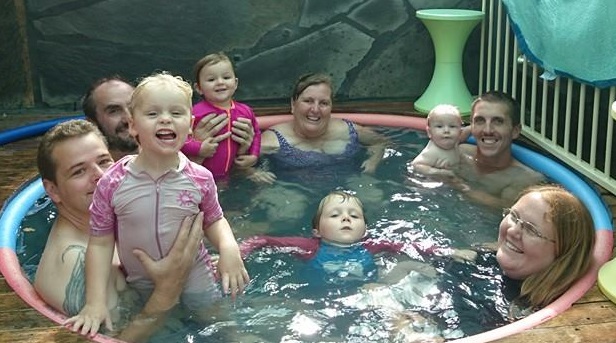
Beverley Paine with her children, and their home educated children, relaxing at home.
Together with the support of my family, my aim is to help parents educate their children in stress-free, nurturing environments. In addition to building and maintaing this website, I continue to create and manage local and national home educating networks, help to organise conferences and camps, as well as write for, edit and produce newsletters, resource directories and magazines. I am an active supporter of national, state, regional and local home education groups.
"You've been an inspiration to me, I love the way
you really listen to people." Vanessa
"Whenever I read your writing I always come away
with increased confidence in my ability to provide and
share a wonderful learning journey with my family!" Davina
"Your guidance, understanding, support and words of
wisdom changed our lives. We now offer support and
organise many homeschooling events for others." Lesley
"Thank you once again for your prompt and friendly service.
I am convinced that your books are going to add
quality and peace of mind to my journey of teaching my kids
at home! Just from studying your website, until almost
2am
in the morning, I 've been encouraged!" Louisa
"Thank you for all your many,many reassuring words
over many, many years. You probably don't know exactly how
valuable you are to the Australian Home Education community.
I've been reading your stuff for maybe 8 years or more now.
And I'm very grateful." Gythaa


Want to learn how to write your own education plans
to suit your unique children's individual learning needs?
Or you are looking for quality curriculum and teaching tips...
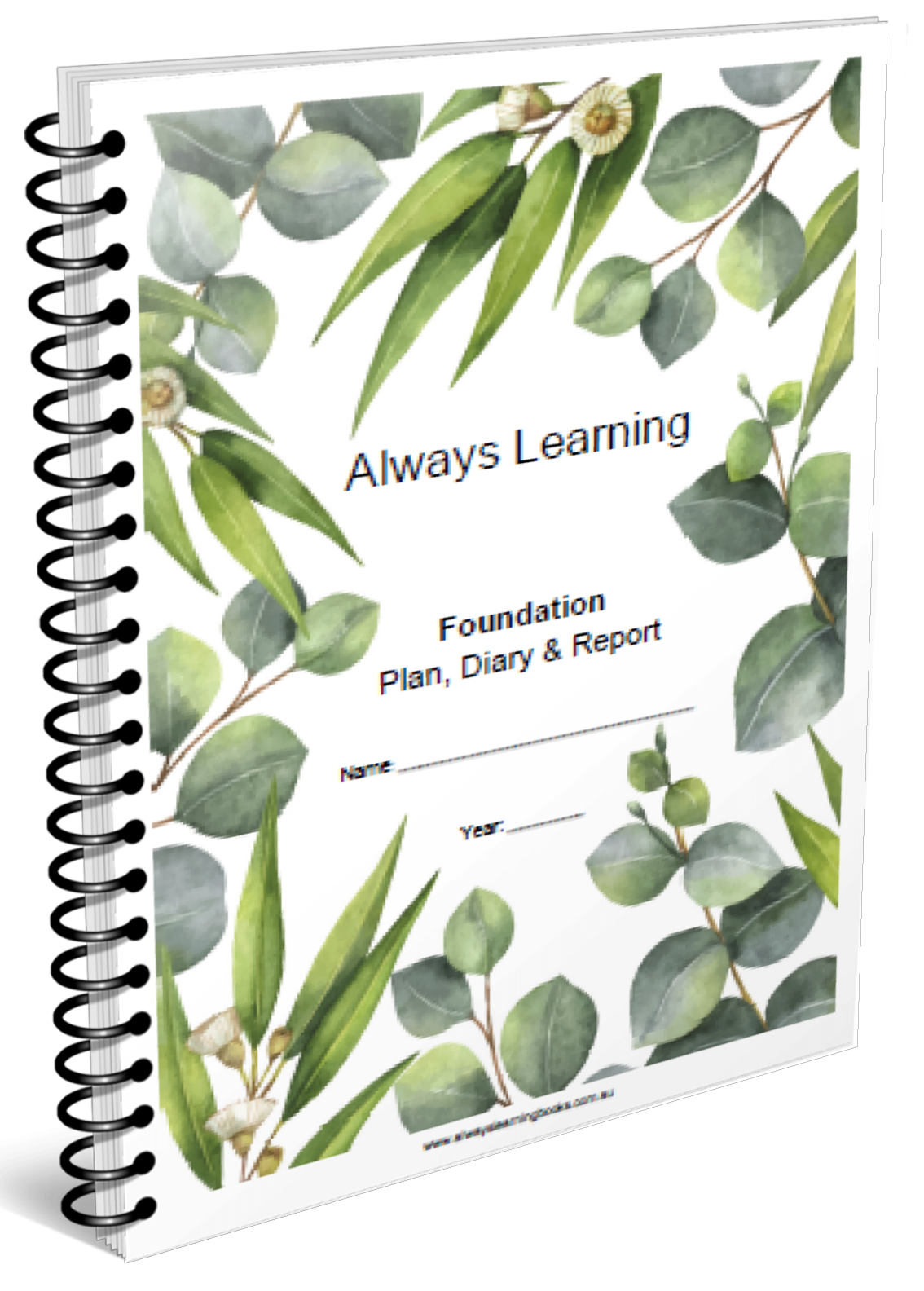
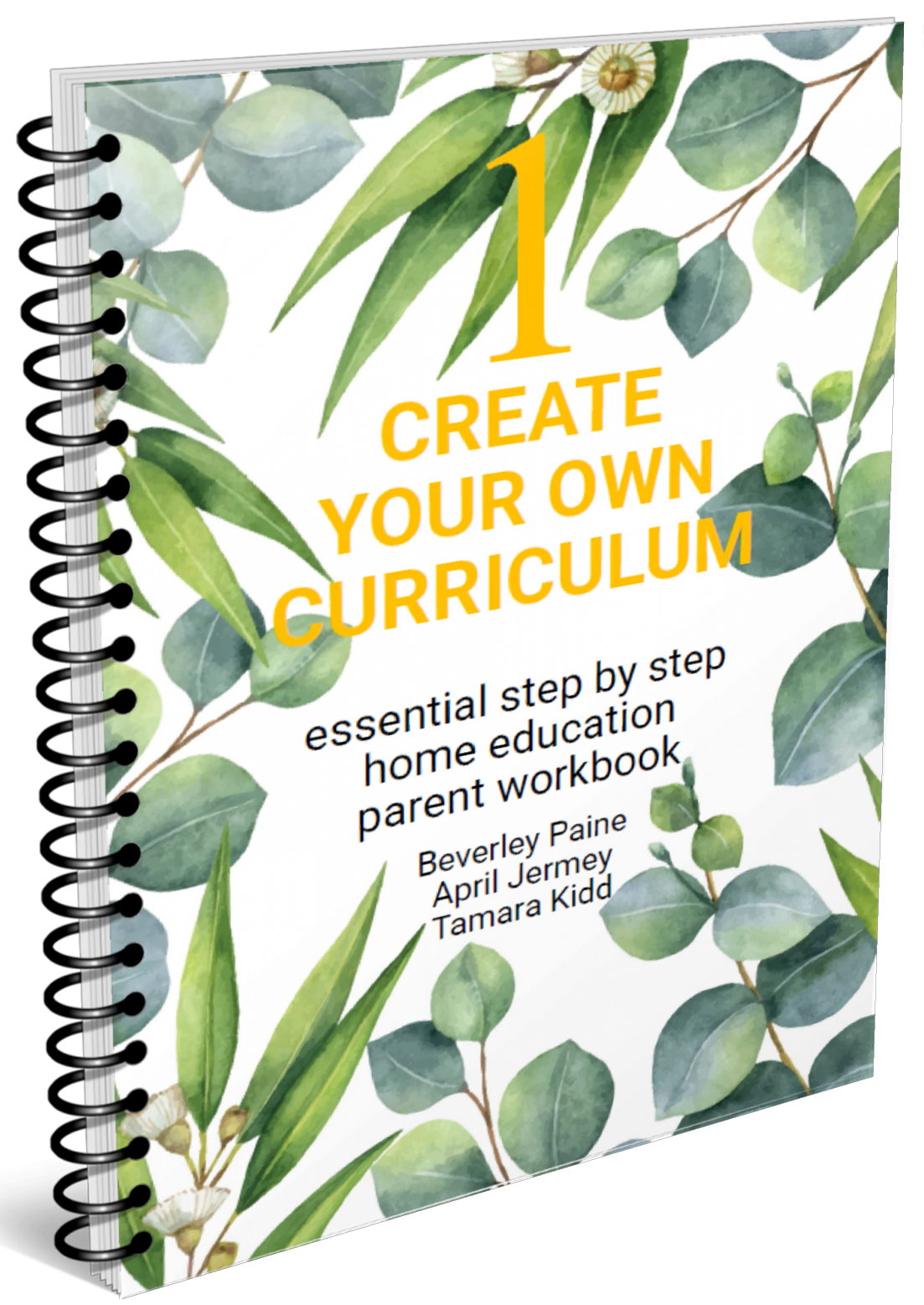
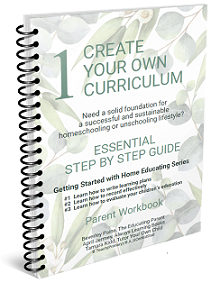
Comprehensive 3 workbook 'how to home ed' course
covering the essential skills you need
successfully home educate your children
|
|
Welcome to the World of Home Education
and Learning without School!
We began educating our children in 1985, when our eldest was five. In truth, we had helped them learn what they need to learn since they were born. I am a passionate advocate of allowing children to learn unhindered by unnecessary stress and competition, meeting developmental needs in ways that suit their individual learning styles and preferences. Ours was a homeschooling, unschooling and natural learning family! There are hundreds of articles on this site to help you build confidence as a home educating family. We hope that your home educating adventure is as satisfying as ours was! Beverley Paine
3 ESSENTIAL STEP BY STEP GUIDES
Let experienced home educators Beverley, Tamara and April walk you through HOW to create a learning plan that builds on solid foundations that works for YOUR family AND ticks all the boxes for home educaton registration!
|
Tap into Beverley's
experience
through her books
"Your books, your blogs helped me beyond words... they helped me to find comfort in knowing it is ok to choose exactly what is best for my family." Nisha
"Your books and information are mind blowing and already I am feeling good about this new experience." Diane
"Your guidance, understanding, support & words of wisdom changed our lives." Leslie
"I feel specially inspired by Beverley's words and, the more I read her comments, the more inspired I feel, since my need for support, respect for different parenting styles, and information are fully met." Marijo
|
 |
|


The information on this website is of a general nature only and is not intended as personal or professional advice. This site merges and incorporates 'Homeschool Australia' and 'Unschool Australia'.
The Educating Parent acknowledges the Traditional Aboriginal and Torres Strait Islander Owners, the Custodians of Australia, and pay our respects to Elders past and present and extend that respect to Aboriginal and Torres Strait Islander people viewing this website.
Advertise on this site.





Home education is a legal alternative
to school education in Australia.
State and Territory governments are responsible
for regulating home education and have different
requirements, however home educating families
are able to develop curriculum and learning programs
to suit the individual needs of their children.

Without revenue from advertising
by educational suppliers and Google Ads
we could not continue to provide information
to home educators. Please support us by letting
our advertisers know that you found them on
The Educating Parent. Thanks!
|
 About
About
 Thank you for visiting!