|
How We Learn ~ the Process of Learning Naturally
© Beverley Paine
I use the term to describe that learning which occurs naturally as a result of my every action. I live, therefore I learn! When I look at how I learn best I can see the following processes happening:
I become immersed in whatever it is that I am interested in learning. I find out as much as I can about my task or interest - it becomes almost obsessive, until my appetite for information or quest for skills has abated. I become totally focussed and involved. It doesn't matter if I am learning to tie a shoe lace or rebuild a combustion engine, the concentration that follows my intense interest drives the learning process. This is immersion. This is natural learning.
I recognise that as an individual I would learn very little on my own and left to my own devices. Humans are social creatures - we learn by watching and by listening to others. Sometimes this is called imitation, or another, less favoured word is copying. But more importantly I observe the demonstrations that take place everyday of those skills and actions I need or want to emulate. The higher my interest or passion the closer I observe and learn. If I wanted to learn to play piano I would seek out the company of other pianists and watch, listen and learn, copy their playing techniques, ask them to demonstrate their skill for me. Observation and demonstration are key aspects to natural learning.
But learning doesn't flow from simply observing others demonstrating skills, or listening to the knowledge and wisdom of others. Learning involves engagement , actively doing whatever it is I need to do in order to learn. The best learning occurs when my interest is focussed and I am using my whole body. I am an active learner. A person that 'does' as well as 'think'. I actively construct my experiences, in a social context.
No one learns in a social vacuum. Whether the expectation to learn and succeed comes from within ourselves or from others this expectation is a necessary aspect of learning. A high level of expectation of success is a prerequisite to success. Natural learners trust in the innate ability of children and adults to learn. This trust is grounded on a firm foundation of acute observation of past experience. Most importantly, as a learner, I feel supported by this trust and faith in my ability to be a successful learner by important people in my life.
I understand the responsibility for learning rests completely with me, the learner. To engage in meaningful and successful learning I may engage the services of a teacher, but the teacher can't coerce or force me to learn if I am not interested or motivated to learn at that particular moment. I can remember many times learning 'parrot fashion' or memorising lessons in school that had no meaning for me. I scarcely remember the content of those lessons at all, and realise that much of what I learned at school was because I had to, rather than wanted to. I rarely understood why I needed to learn at all everything put before me, and most of it has either left me completely or has never been of any practical use in my adult life.
When I think back to my most successful learning experiences as a child I can see that I was fully engaged, interested and passionate. I now recognise that these were also the times that I carried the responsibility for my own learning, times I was allowed to be fully responsible for the learning occurring.
Of course, it is important to use and practice new learning or it quickly fades. This isn't the same as rote memorising or doing pages and pages of drill exercises... for the natural learner using the new skill or knowledge in a meaningful context a couple of times is all that is required to firmly cement it into the realms of experience, ready to be recalled and used at any time in the future. We tend to forget those things that are not of use, or interest or learned without full engagement of our minds and bodies.
As a learner I often make mistakes - make guesses, approximations, have a go, try things out . This is another essential aspect of the learning process. Everyone makes approximations in the learning process - there is nothing inherently wrong with it. Some people value the ability to make approximations highly, seeing it as creative or lateral thinking! Viewing 'mistakes' as positive learning experiences opens up many doors, inviting learners on journeys of discovery... The wisest piece of advice on learning that I've ever heard was to value the process of asking questions over that of discovering answers. The question is the key to discovery, and the question can never be wrong!
All of us need feedback, some kind of response to our learning journeys. I know I do. Natural learners don't thrive on reward or punishment - stickers, certificates or detention - no one does. Natural learners thrive on meaningful and positive feedback. Critical evaluation needs to be continuous, reflective, constructive, positive and supportive .
Learning is a natural phenomenon. It is like breathing. When it stops, you're dead! It occurs in the home learning environment regardless of educational philosophy and methodologies adopted. Taking advantage of this type of learning offers a superior education seldom found in educational institutions.

Was this article helpful? Was it worth $1.00 to you?
Your gift of $1 or more helps to keep this site operating
offering encouragement
and reassurance to families
wanting
better outcomes for their children.
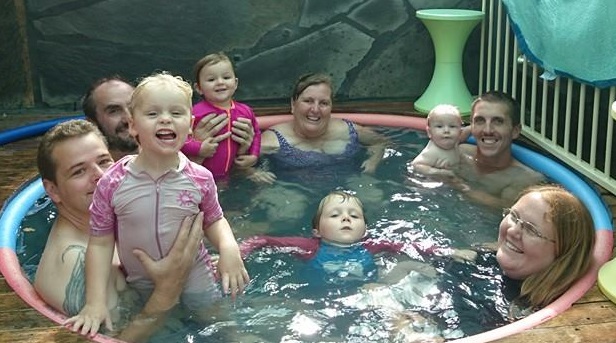
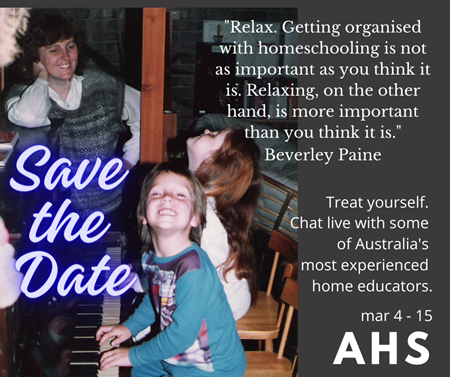
Beverley Paine with her children, and their home educated children, relaxing at home.
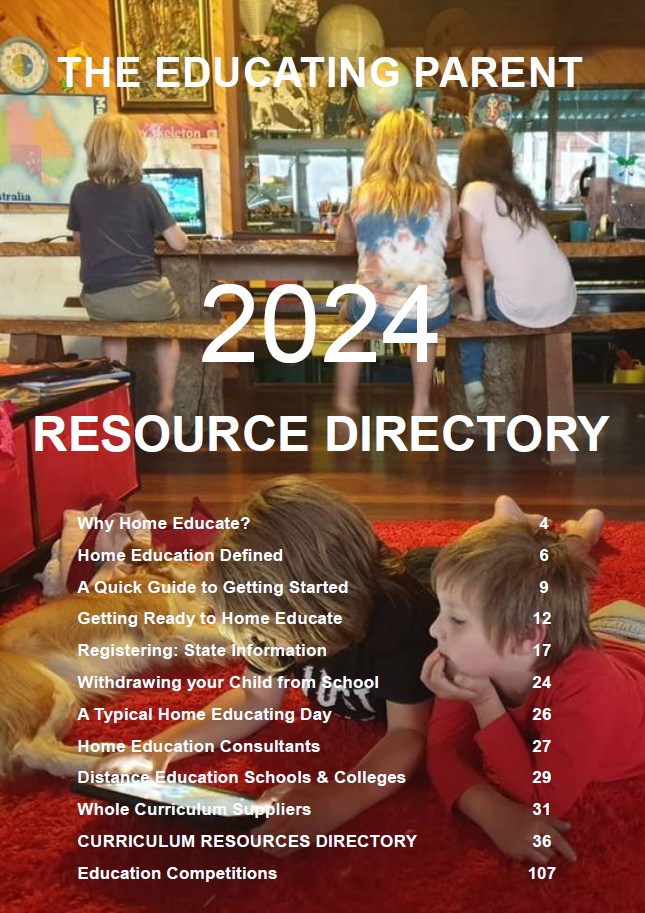
Together with the support of my family, my aim is to help parents educate their children in stress-free, nurturing environments. In addition to building and maintaing this website, I continue to create and manage local and national home educating networks, help to organise conferences and camps, as well as write for, edit and produce newsletters, resource directories and magazines. I am an active supporter of national, state, regional and local home education groups.
"You've been an inspiration to me, I love the way
you really listen to people." Vanessa
"Whenever I read your writing I always come away
with increased confidence in my ability to provide and
share a wonderful learning journey with my family!" Davina
"Your guidance, understanding, support and words of
wisdom changed our lives. We now offer support and
organise many homeschooling events for others." Lesley
"Thank you once again for your prompt and friendly service.
I am convinced that your books are going to add
quality and peace of mind to my journey of teaching my kids
at home! Just from studying your website, until almost
2am
in the morning, I 've been encouraged!" Louisa
"Thank you for all your many,many reassuring words
over many, many years. You probably don't know exactly how
valuable you are to the Australian Home Education community.
I've been reading your stuff for maybe 8 years or more now.
And I'm very grateful." Gythaa

CLICK HERE
if you want to learn
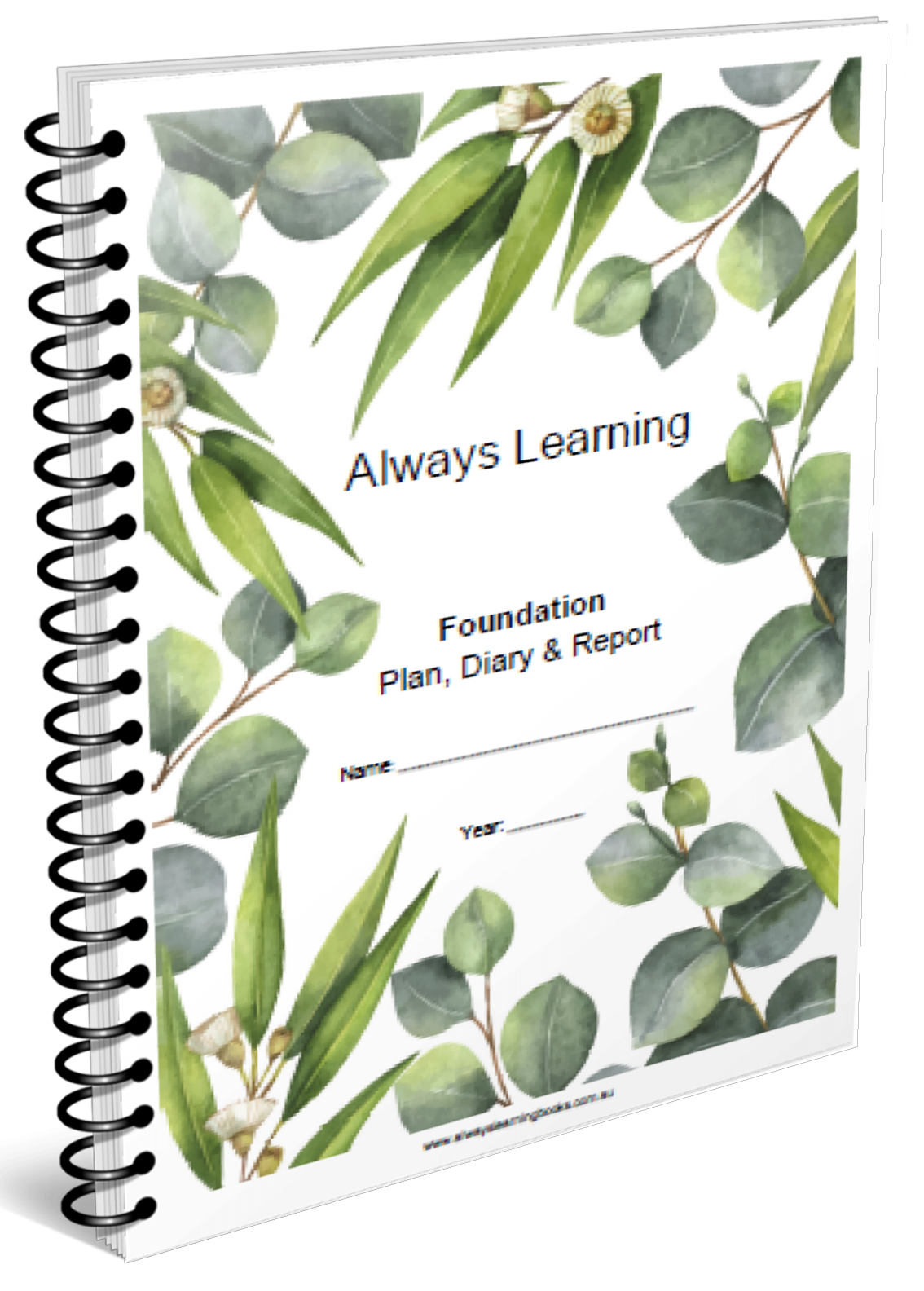
how to write your own education plans
to suit
your unique children's
individual learning needs?
Or you are looking for quality curriculum and teaching tips...
|
|
Welcome to the World of Home Education
and Learning without School!
We began educating our children in 1985, when our eldest was five. In truth, we had helped them learn what they need to learn since they were born. I am a passionate advocate of allowing children to learn unhindered by unnecessary stress and competition, meeting developmental needs in ways that suit their individual learning styles and preferences. Ours was a homeschooling, unschooling and natural learning family! There are hundreds of articles on this site to help you build confidence as a home educating family. We hope that your home educating adventure is as satisfying as ours was! Beverley Paine
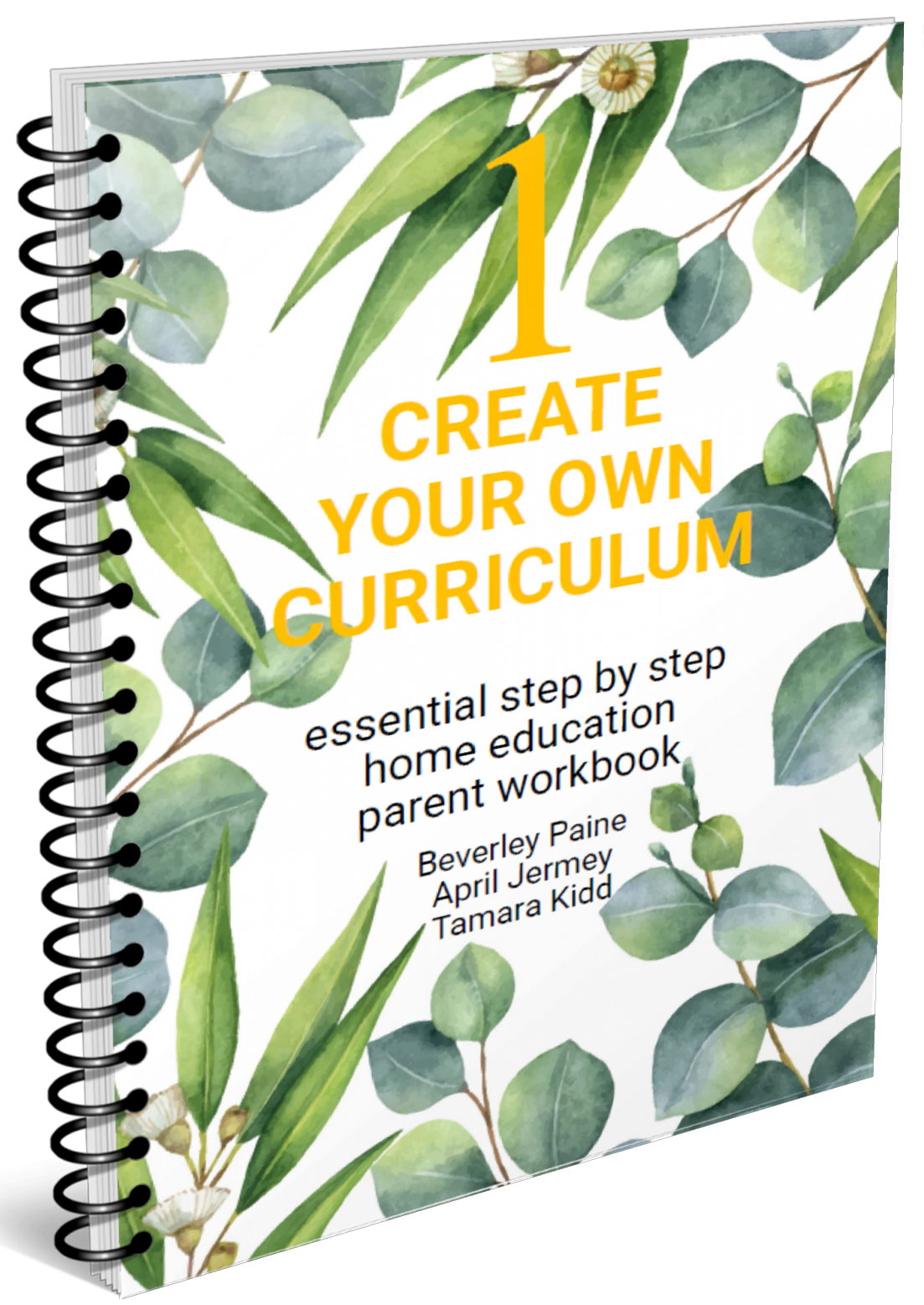
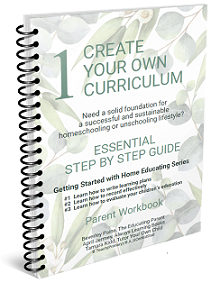
3 ESSENTIAL STEP BY STEP GUIDES
Let experienced home educators Beverley, Tamara and April walk you through HOW to create a learning plan that builds on solid foundations that works for YOUR family AND ticks all the boxes for home educaton registration!
|
Tap into Beverley's
experience
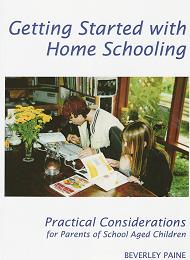
through her books
"Your books, your blogs helped me beyond words... they helped me to find comfort in knowing it is ok to choose exactly what is best for my family." Nisha
"Your books and information are mind blowing and already I am feeling good about this new experience." Diane
"Your guidance, understanding, support & words of wisdom changed our lives." Leslie
"I feel specially inspired by Beverley's words and, the more I read her comments, the more inspired I feel, since my need for support, respect for different parenting styles, and information are fully met." Marijo
|
 |
|

The information on this website is of a general nature only and is not intended as personal or professional advice. This site merges and incorporates 'Homeschool Australia' and 'Unschool Australia'.
The Educating Parent acknowledges the Traditional Aboriginal and Torres Strait Islander Owners, the Custodians of Australia, and pay our respects to Elders past and present and extend that respect to Aboriginal and Torres Strait Islander people viewing this website.
Advertise on this site.



Australia's premier online annual conferences, lifetime access to video and audio recordings, freebies, notes and associated resource guides.
EVERY SUMMIT IS UNIQUE!
$29 each  2023 2023  2022 2021 2022 2021
$25 each 2020 2019 2017
"Biggest and best Aussie homeschool event of the year!"
Home education is a legal alternative
to school education in Australia.
State and Territory governments are responsible
for regulating home education and have different
requirements, however home educating families
are able to develop curriculum and learning programs
to suit the individual needs of their children.

Without revenue from advertising
by educational suppliers and Google Ads
we could not continue to provide information
to home educators. Please support us by letting
our advertisers know that you found them on
The Educating Parent. Thanks!
|
 About
About

 Thank you for visiting!