|
Different Approaches to
Teaching Your Children at Home
Are you prepared to be flexible, willing to try different
approaches? There are as many ways to homeschool
as there are families doing it. Find others who homeschool and ask them how they do it. Ask to "hang out" with them for a few days. Before you begin buying workbooks or an expensive curriculum, take some time choosing a homeschooling
method. You need to find an approach that suits not only your
children's learning styles, but one that you will be
comfortable using as well. Choose from any of the following styles, or mix and blend to create a personalised , unique educational approach.
 Traditional School-at-Home Methods Traditional School-at-Home Methods
Most homeschooling parents start here, emulating how the child learned at school, or copying how they were taught as a child. This method works well with children who respond well to order and structure. The homeschooling day is set up using a regular time table, progress is charted with check-lists, and curriculum texts are used in each of the nationally accredited subject areas. This approach usually includes grading, testing, adherence to daily schedules and school terms.
 Unschooling Unschooling
The child's education is built around the child's interest with the child determining how, and when, what to learn. Unschooling is a rejection of school-based methods of instruction, preferring to use whatever is useful to facilitate learning. The parent is not regarded as a 'teacher' but as a 'facilitator' - someone who helps the child find appropriate resources to support learning. The emphasis in on retaining, or rediscovering, the child's natural inclination and enthusiasm for learning.
 Unit Studies: A Topic-Based Approach to Learning Unit Studies: A Topic-Based Approach to Learning
Unit studies begin with a democratically chosen topic or theme, around which a collection of educational activities is built which touch upon learning in all curriculum areas. Often the topic chosen is of high interest to the child. Unit studies can be tailored to suit the needs of different age or ability children in the family, with everyone studying the same topic, but different elements and at different levels at the same time. A unit study continues until interest wanes, or projects and activities are completed. Families who use unit studies as their main approach often complete 'lap books' or web sites as permanent records of the study.
 Natural Learning / Informal Learning / Natural Curriculum Natural Learning / Informal Learning / Natural Curriculum
Similar to Unschooling, where learning is personally meaningful and of high interest to the child, but less 'child-directed' and more 'family-centred'. Children learn the skills and knowledge necessary for healthy and holistic development and growth within the everyday context of home and community. There is an emphasis on learning life-skills, as well as practical activities and skills, development of work ethic, self-reliance and service to others.
 Classical Education Classical Education
The three-part classical method is intended to literally 'train a child's mind'. This approach teaches children to think, rather than teaching 'subjects'. At its core is the ' Trivium ', an educational process that recognises that children learn differently at different ages. It begins by teaching children basic facts across all subjects, then encourages the development of independent or abstract thought, before finally producing adolescents who can reason and use language to communicate eloquently. It is a rigorous and structured approach.
 Charlotte Mason Charlotte Mason
Charlotte Mason, a 19th century educational reformer and devout Christian, believed in promoting the value of good habits, nature study and insisted that children learn from quality literature - "living books". Narration - the retelling of what has been read or learned - is used to demonstrate learning and comprehension. Copy-work reinforces thoughts and ideas while simultaneously teaching handwriting. A sense of the 'big picture' of human history is taught through the use of a "century book".Combines practical life skills with a sound literature based education.
 Waldorf / Steiner Influenced Education Waldorf / Steiner Influenced Education
Holistic in nature, Steiner education educates the whole child with its motto of "head, heart and hands". Younger children focus on arts and crafts, music and movement, and nature in a strict progression and structured way. Reading is taught from age seven. Older children learn self-awareness and reasoning skills. Children do not use text books in the early years; instead they create their own books and understanding. Television and computers are deemed deleterious to creativity. There is an emphasis on natural materials and spiritual development.
 Montessori Montessori
In a controlled learning environment made up of 'learning centres' stocked with Montessori learning materials, children learn at their own pace by freely selecting highly structured activities developed to teach innately those things the child is developmentally ready to learn. Montessori materials are generally made from natural materials and there is an emphasis on learning life and practical skills. Many families find they are able to make their own Montessori materials following instructions found on the internet.
 Eclectic Approach Eclectic Approach
Many homeschooling families relax into an 'eclectic' approach, selecting the best teaching strategies from various sources, including the different homeschooling approaches. This approach generally builds on individual children's learning styles and needs as well as the needs of the homeschooling family. It is highly flexible to changes in circumstances and can easily capitalise on learning opportunities as they arise.
 Distance Education Distance Education
Once available only to remote students through the state school system, distance education is available through private correspondence schools, and usually offer a Christian based curriculum. Enrolled students learn via correspondence or over the Internet in a traditional 'school-at-home' way, with parents usually marking work which is then sent to be recorded on the student's portfolio. This approach is often expensive and restrictive, requiring families to adhere to a rigid timetable. Certificates are awarded at the completion of school studies.
 Computer / Internet based Computer / Internet based
Instead of using traditional text books, some families use educational computer programs and online learning programs available in all subject areas. Children complete interactive lessons using the computer. Feedback is immediate and some programs automatically compile student progress records. There is opportunity for group learning situations using blogs, forums, chat rooms, etc. Computer based learning needs to be supplemented by physical activities in the traditional subject areas, as well as face-to-face social interaction. Free internet resources take time to find, and good quality programs can be expensive.
 School-Sponsored and Part-Time Homeschooling Programs School-Sponsored and Part-Time Homeschooling Programs
Some families are able to negotiate part time attendance at school for a variety of reasons. Not officially available in all states, especially in state schools. Private schools may charge a fee. Some schools or programs offer classes in individual subjects, while others offer an entire curriculum. Families lose some homeschooling autonomy.
 Using Homeschooling Learning Cooperatives Using Homeschooling Learning Cooperatives
As the number of homeschooling families increase support groups grow to serve their social and educational needs. In some metropolitan areas informal 'learning cooperatives' evolve over time or are formally begun. These typically offer classes for groups of children in a range of subject areas, to suit the needs of the homeschooling community. Fees are paid to the cooperative or to the individual offering tutorage. As in a school setting, there are rules to be followed as well as timetables and schedules. Homeschool cooperatives usually require parents to supervise their own children at all times whist participating in lessons or group activities. Parents are usually required to become involved in the cooperative in a direct way. More common that homeschool cooperatives are local support groups that offer regular social get-togethers for parents and children in an informal setting, either in a park or playground, or at each others' homes. Individuals and groups organise educational excursions to places of interest or work.
Changing course to reach your desired goal is NOT failure! Most home educating families take a year or three to 'find' a style or approach that suits them. Sometimes a family can use one approach with one child and another for the other children. It is not unusual for families to begin with one approach and then change over time. We began our home educating journey with school-at-home and slowly relaxed into an unschooling and then a natural learning approach. This included, on occasion, access to part-time school, enrolment in distance education courses and involvement in homeschool cooperatives.

Was this article helpful? Was it worth $1.00 to you?
Your gift of $1 or more helps to keep this site operating
offering encouragement
and reassurance to families
wanting
better outcomes for their children.
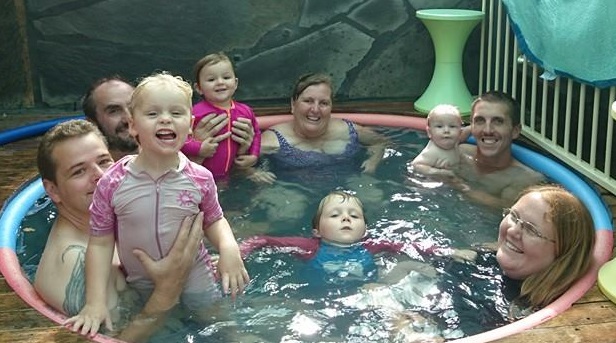
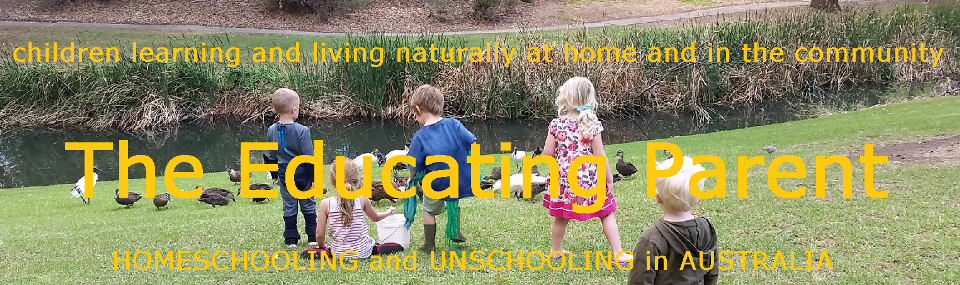
Beverley Paine with her children, and their home educated children, relaxing at home.
Together with the support of my family, my aim is to help parents educate their children in stress-free, nurturing environments. In addition to building and maintaing this website, I continue to create and manage local and national home educating networks, help to organise conferences and camps, as well as write for, edit and produce newsletters, resource directories and magazines. I am an active supporter of national, state, regional and local home education groups.
"You've been an inspiration to me, I love the way
you really listen to people." Vanessa
"Whenever I read your writing I always come away
with increased confidence in my ability to provide and
share a wonderful learning journey with my family!" Davina
"Your guidance, understanding, support and words of
wisdom changed our lives. We now offer support and
organise many homeschooling events for others." Lesley
"Thank you once again for your prompt and friendly service.
I am convinced that your books are going to add
quality and peace of mind to my journey of teaching my kids
at home! Just from studying your website, until almost
2am
in the morning, I 've been encouraged!" Louisa
"Thank you for all your many,many reassuring words
over many, many years. You probably don't know exactly how
valuable you are to the Australian Home Education community.
I've been reading your stuff for maybe 8 years or more now.
And I'm very grateful." Gythaa

CLICK HERE
if you want to learn
how to write your own education plans
to suit
your unique children's
individual learning needs?
Or you are looking for quality curriculum and teaching tips...
|
|
Welcome to the World of Home Education
and Learning without School!
We began educating our children in 1985, when our eldest was five. In truth, we had helped them learn what they need to learn since they were born. I am a passionate advocate of allowing children to learn unhindered by unnecessary stress and competition, meeting developmental needs in ways that suit their individual learning styles and preferences. Ours was a homeschooling, unschooling and natural learning family! There are hundreds of articles on this site to help you build confidence as a home educating family. We hope that your home educating adventure is as satisfying as ours was! Beverley Paine
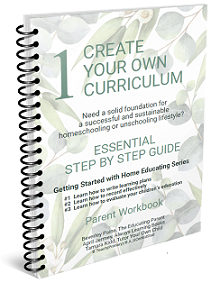
3 ESSENTIAL STEP BY STEP GUIDES
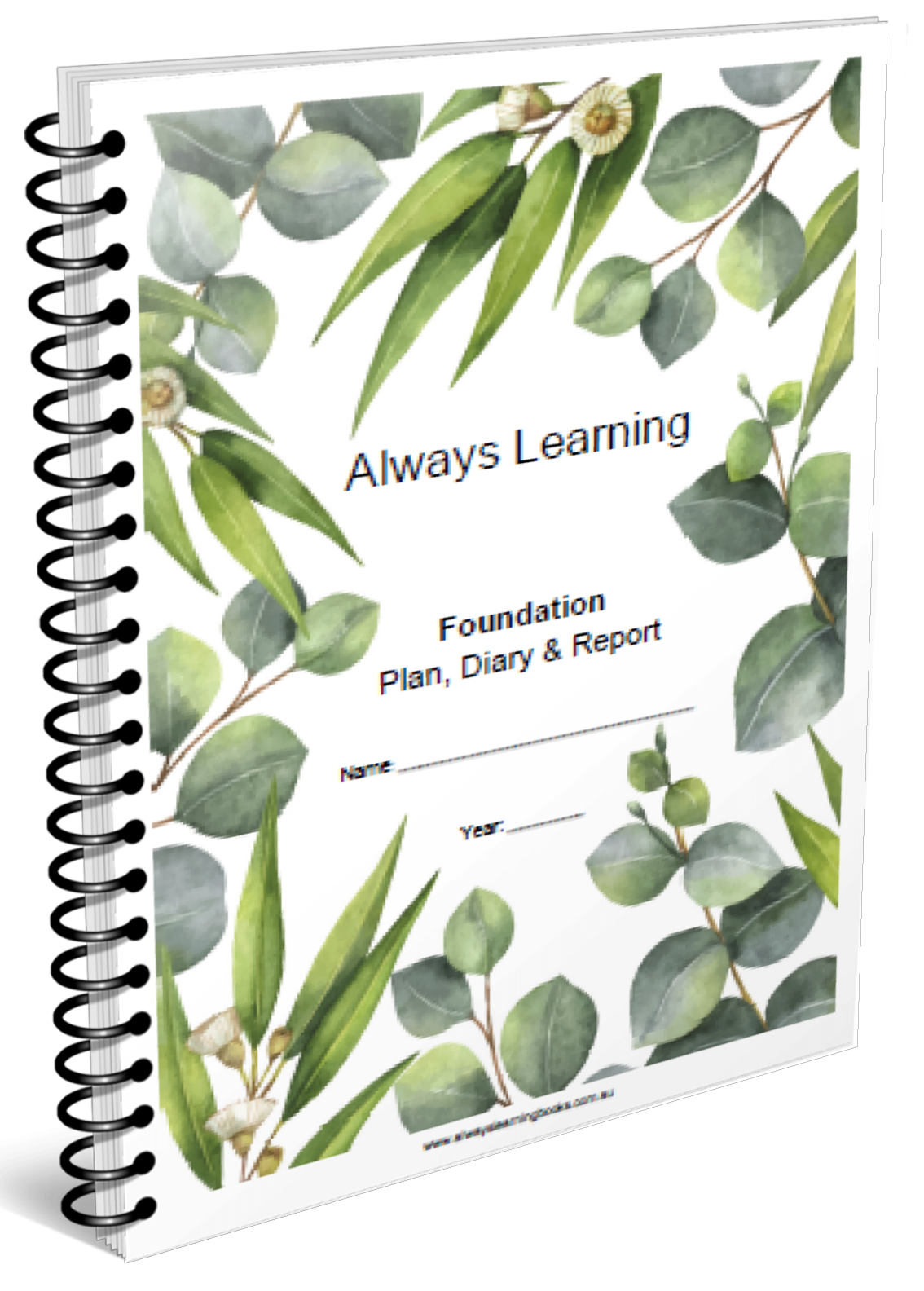
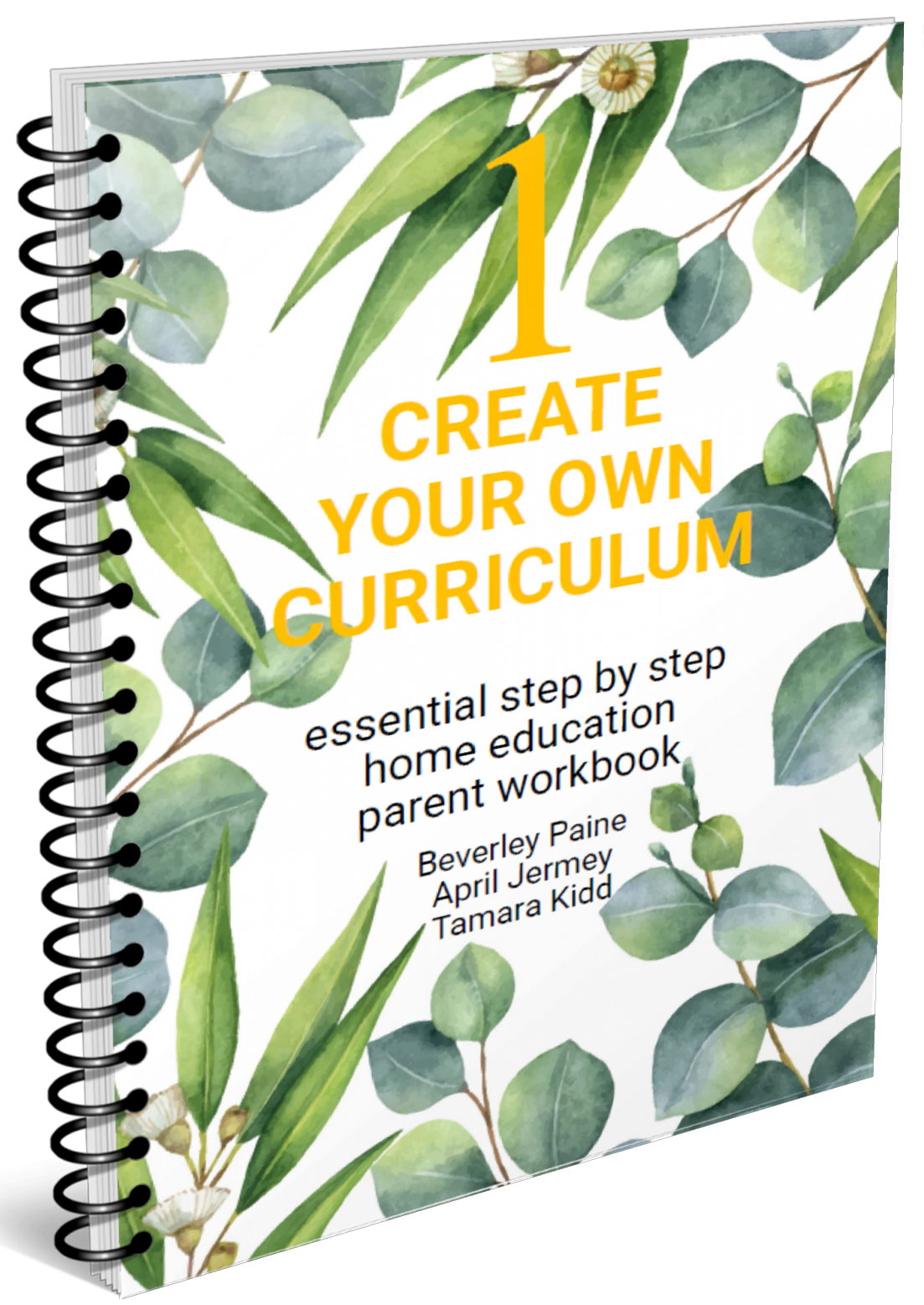
Let experienced home educators Beverley, Tamara and April walk you through HOW to create a learning plan that builds on solid foundations that works for YOUR family AND ticks all the boxes for home educaton registration!
|
Tap into Beverley's
experience
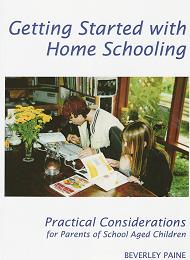
through her books
"Your books, your blogs helped me beyond words... they helped me to find comfort in knowing it is ok to choose exactly what is best for my family." Nisha
"Your books and information are mind blowing and already I am feeling good about this new experience." Diane
"Your guidance, understanding, support & words of wisdom changed our lives." Leslie
"I feel specially inspired by Beverley's words and, the more I read her comments, the more inspired I feel, since my need for support, respect for different parenting styles, and information are fully met." Marijo
|
 |
|

The information on this website is of a general nature only and is not intended as personal or professional advice. This site merges and incorporates 'Homeschool Australia' and 'Unschool Australia'.
The Educating Parent acknowledges the Traditional Aboriginal and Torres Strait Islander Owners, the Custodians of Australia, and pay our respects to Elders past and present and extend that respect to Aboriginal and Torres Strait Islander people viewing this website.
Advertise on this site.





Australia's premier online annual conferences, lifetime access to video and audio recordings, freebies, notes and associated resource guides.
EVERY SUMMIT IS UNIQUE!
$29 each  2023 2023  2022 2021 2022 2021
$25 each 2020 2019 2017
"Biggest and best Aussie homeschool event of the year!"
Home education is a legal alternative
to school education in Australia.
State and Territory governments are responsible
for regulating home education and have different
requirements, however home educating families
are able to develop curriculum and learning programs
to suit the individual needs of their children.

Without revenue from advertising
by educational suppliers and Google Ads
we could not continue to provide information
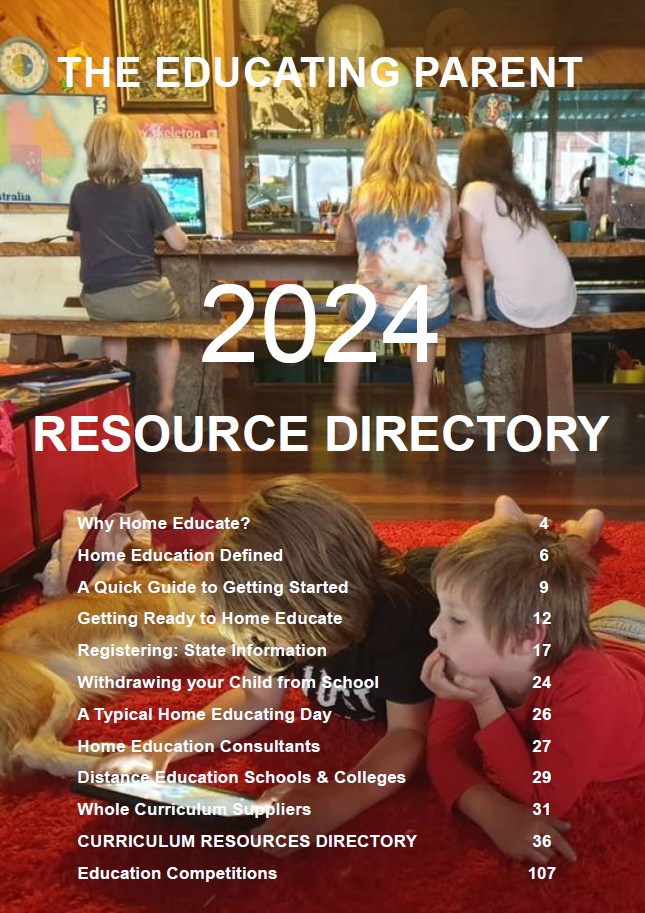
to home educators. Please support us by letting
our advertisers know that you found them on
The Educating Parent. Thanks!
|
 About
About

 Thank you for visiting!