|
Writing and Recording Learning Plans
© Beverley Paine
Writing a learning program and recording throughout the first year isn't as daunting as it first looks. I think the problem we all face is this overriding fear that the regulating body we apply to home educate through will reject our application or review reports, but this rarely happens. And if they say 'no', we say 'why not' and they tell us and we say 'okay, we can fix that, how about now?' and they say 'okay' (usually - eventually). It isn't always this easy, neither does it always get this hard: each family has a different experience. However, most of us end up finding the process a lot less intimidating than we thought it would be.
Many families, especially those with children younger than the compulsory school age of 6, simply start educating their children in whatever way they want - usually using a school-at-home approach with a few work books in spelling, grammar and maths with a lot of hands-on art, craft and science activities, plus continuing learning activities as usual about growing bodies, hygiene, cooperative behaviours, getting out and about in the community... learning about other people, places and things (culture!)
The following approach to writing a learning plan is called 'retrospective planning' and is great if you have time to prepare your application, say, for example, over the summer holidays or before your child reaches compulsory school age. But even if you are planning on removing your child from school, say next term, you can start to do this well in advance, and get into the habit of thinking like a home educating parent!
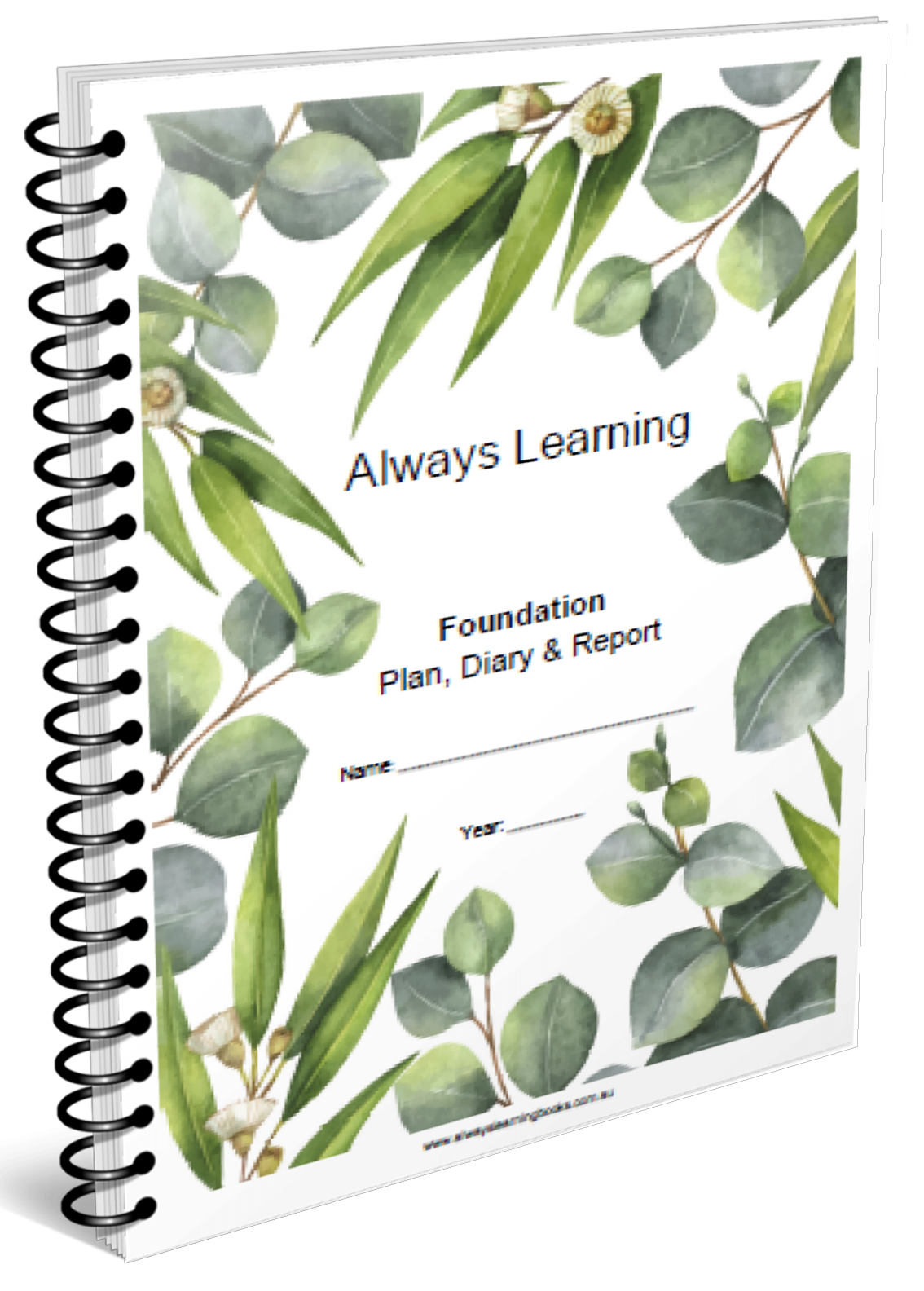
Record what you do in a diary such as my Natural Learning Diary, which includes play and hobby activities as well as structured learning. Just write down what the children do in the boxes, or create your own diary, and then underline or highlight the activities/learning in the different 'subject' areas - maths, science, health, language, etc.
To write a learning plan, simply rewrite what you did under the subject headings... Louise Wilton's two homeschooling planning and recording booklets set this out beautifully as an example of the type of homeschooling learning program that mostly just happens, without a huge amount of worry or planning.
If you do this before your child turns six you will already have a 'report' or 'review' to show the education department officer who comes to interview you during the application process. All you need to do then is to project what you'd like your child to learn or cover in the next 6-12 months. You will have specific goals - eg: learn to write simple sentences, count to 100, build a frog pond (with help), answer the phone appropriately, etc, which may or may not eventuate, but seem sensible and suitable goals for your child over the year ahead. Write these down under the subject headings, if you wish, or just write a long list! This is your learning plan... and most of us find it grows naturally from our diaries and different methods of recording.
I used the curriculum subjects (and their subcategories, eg history, biology, weather, conservation, etc) as very useful in helping me think of goals for each of my children. Then I would add events and activities I knew would happen - eg holiday at Sovereign Hill and the historic goldmining area of Victory (history, geology, occupations); New Year's Eve Pageant participation (The Arts - choreography, costumes, performance); Model Solar Car Challenge (Technology, Science, Health). April's first year of homeschooling was the year Thomas was born, so that covered a lot of learning in Health! As did keeping and breeding guinea pigs a couple of years later...
You can write a page or two for your forward plan, or you can write a dozen. I found that the more I put down on paper about what we were actually doing, based on haphazard but detailed recording, the more confident I felt and the quicker I could relax about the whole planning and recording process.
Recording helped me feel that I was actually teaching my children. It also gave my children confidence, from time to time, that they were actually being educated. This helped them from feeling too different from other children. They weren't just playing at home and doing 'stuff' with mum - it was a 'proper' education. We even did report cards every other year or so!
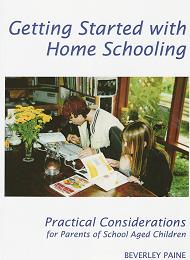
Recording need only take a few minutes each day. It can be as simple as a checklist (using the lists in the back of my book Getting Started with Homeschooling, see also Articles under Curriculum ) or as detailed as an anecdotal record of what each did and said and how they are learning each day. It's up to you. The education department doesn't enforce any particular style of recording and they are more interested in how you know your child is progressing - showing that through conversation at the interview is more powerful than what you've written down, though your records and your learning plan will jog your memory and help you feel more confident at the time.
A learning plan is simply that - a plan. It's not set in concrete and it doesn't matter if you do something entirely different. As you probably will... Just adapt and adjust and keep the process flowing and flexible!

Was this article helpful? Was it worth $1.00 to you?
Your gift of $1 or more helps to keep this site operating
offering encouragement
and reassurance to families
wanting
better outcomes for their children.
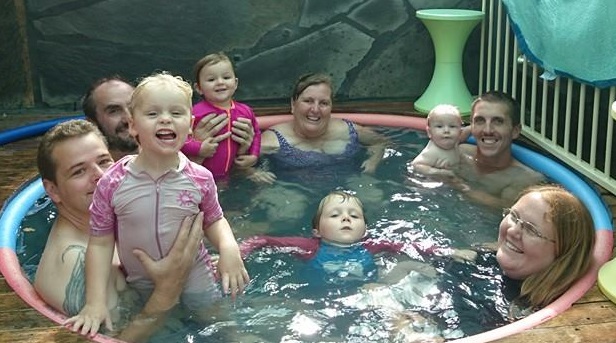
Beverley Paine with her children, and their home educated children, relaxing at home.
Together with the support of my family, my aim is to help parents educate their children in stress-free, nurturing environments. In addition to building and maintaing this website, I continue to create and manage local and national home educating networks, help to organise conferences and camps, as well as write for, edit and produce newsletters, resource directories and magazines. I am an active supporter of national, state, regional and local home education groups.
"You've been an inspiration to me, I love the way
you really listen to people." Vanessa
"Whenever I read your writing I always come away
with increased confidence in my ability to provide and
share a wonderful learning journey with my family!" Davina
"Your guidance, understanding, support and words of
wisdom changed our lives. We now offer support and
organise many homeschooling events for others." Lesley
"Thank you once again for your prompt and friendly service.
I am convinced that your books are going to add
quality and peace of mind to my journey of teaching my kids
at home! Just from studying your website, until almost
2am
in the morning, I 've been encouraged!" Louisa
"Thank you for all your many,many reassuring words
over many, many years. You probably don't know exactly how
valuable you are to the Australian Home Education community.
I've been reading your stuff for maybe 8 years or more now.
And I'm very grateful." Gythaa

CLICK HERE
if you want to learn
how to write your own education plans
to suit
your unique children's
individual learning needs?
Or you are looking for quality curriculum and teaching tips...
|
|
Welcome to the World of Home Education
and Learning without School!
We began educating our children in 1985, when our eldest was five. In truth, we had helped them learn what they need to learn since they were born. I am a passionate advocate of allowing children to learn unhindered by unnecessary stress and competition, meeting developmental needs in ways that suit their individual learning styles and preferences. Ours was a homeschooling, unschooling and natural learning family! There are hundreds of articles on this site to help you build confidence as a home educating family. We hope that your home educating adventure is as satisfying as ours was! Beverley Paine
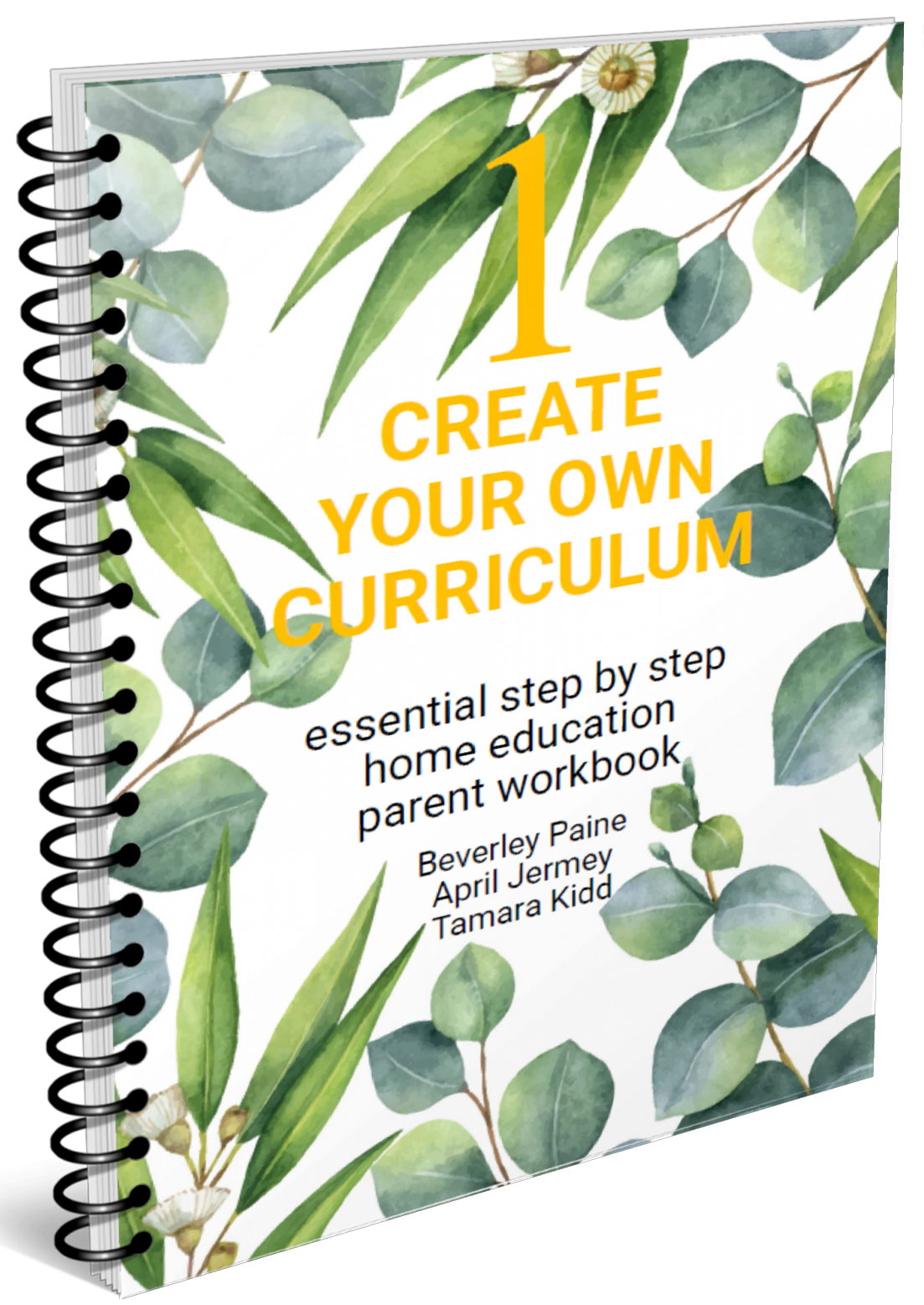
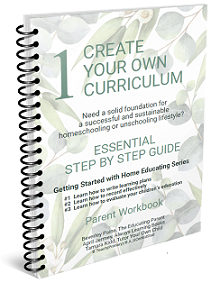
3 ESSENTIAL STEP BY STEP GUIDES
Let experienced home educators Beverley, Tamara and April walk you through HOW to create a learning plan that builds on solid foundations that works for YOUR family AND ticks all the boxes for home educaton registration!
|
Tap into Beverley's
experience
through her books
"Your books, your blogs helped me beyond words... they helped me to find comfort in knowing it is ok to choose exactly what is best for my family." Nisha
"Your books and information are mind blowing and already I am feeling good about this new experience." Diane
"Your guidance, understanding, support & words of wisdom changed our lives." Leslie
"I feel specially inspired by Beverley's words and, the more I read her comments, the more inspired I feel, since my need for support, respect for different parenting styles, and information are fully met." Marijo
|
 |
|

The information on this website is of a general nature only and is not intended as personal or professional advice. This site merges and incorporates 'Homeschool Australia' and 'Unschool Australia'.
The Educating Parent acknowledges the Traditional Aboriginal and Torres Strait Islander Owners, the Custodians of Australia, and pay our respects to Elders past and present and extend that respect to Aboriginal and Torres Strait Islander people viewing this website.
Advertise on this site.





Australia's premier online annual conferences, lifetime access to video and audio recordings, freebies, notes and associated resource guides.
EVERY SUMMIT IS UNIQUE!
$29 each  2023 2023  2022 2021 2022 2021
$25 each 2020 2019 2017
"Biggest and best Aussie homeschool event of the year!"
Home education is a legal alternative
to school education in Australia.
State and Territory governments are responsible
for regulating home education and have different
requirements, however home educating families
are able to develop curriculum and learning programs
to suit the individual needs of their children.

Without revenue from advertising
by educational suppliers and Google Ads
we could not continue to provide information
to home educators. Please support us by letting
our advertisers know that you found them on
The Educating Parent. Thanks!
|
 About
About

 Thank you for visiting!